A Mother’s Dream with Lowellyn Peters - Interview 4
Question: I’d love to start with your journey into motherhood. You became a mother to your first daughter before meeting Isaac. What do you remember about that season of your life, and what did becoming a mum teach you about yourself?
Lowellyn: I would say that season of my life was a revelation to me. I had finished university, started working, then chose to stop working and began travelling. I felt a little bit like a nomad. I didn’t necessarily know where I was going or what my direction was.
Then I fell pregnant with Kyara, and everything changed in my mind. It became, “Okay, not only do I have to have purpose, but I don’t get to not have purpose.” That really shifted something in me.
I’ve always been very responsible, partly because I’m a firstborn. But when I became pregnant with Kyara, I remember thinking, “If I ever fell pregnant at a time when I didn’t plan for it, I would keep the baby because I need to be responsible.” I wanted to show Kyara, and any future children I might have, that I’m someone who stands by the decisions she makes, no matter how difficult or inconvenient the circumstances might be.
So, it was an interesting period of my life. It was a time when I really cemented this idea of being someone who takes responsibility and stands by her choices.
Question: And what did becoming a mum teach you about yourself?
Lowellyn: It taught me that I knew love, but I definitely discovered love in a completely new way.
There’s this unconditional kind of love that comes with motherhood. It feels like you’ve given birth to yourself, and suddenly you get to nurture and grow this little human. It’s almost like tending to a plant: you water it every day, you feed it, you care for it. They need you, and there’s this incredible sense of importance that is revealed to you.
You realise, “Okay, even if I don’t mean anything to anyone else in the world, I definitely mean something to this little human.” They don’t even understand what meaning or love is yet, but they feel that love from you. And that is indescribable. It’s very special.
I think becoming a mum made me realise how special I was through my daughter’s eyes.
Question: You mentioned not necessarily feeling prepared at the time. What did that feeling look like for you? And how did being unprepared then compare with becoming a mother later on?
Lowellyn: I think it’s funny because, yes, you can be in a position where you’re not prepared, but being a firstborn, you’re always kept on your toes. You’re taught to get on with things, no matter how they look or how they feel. It’s like you might not feel ready, but you have to jump because nothing is waiting for you. You can’t afford not to jump, because if you don’t, how do your siblings cope? How does everything tie together?
When I was three months pregnant, I was in the Ivory Coast. At the time, I was very much thinking, “Yes, I’m going to work for the UN. I’m going to become this big person and achieve all these things.” Then I fell pregnant, and I thought, “Okay, I don’t get to allow myself to focus on that right now.”
At the time, I was still with Kyara’s dad, and things were fine, but we were doing long distance. I remember thinking, “I’m leaving the Ivory Coast. I’m going back to the land of opportunity. I’m coming back to the UK and finding a way for myself. Whether you’re with me or not, whether you help or you don’t, I need to go into this mode where I can cater to my child. It didn’t matter what anyone else did. I knew I had to be able to take care of her.
No matter what help I had around me, I felt like it didn't matter because I knew I was coming back to live at my mum’s house. My mum is an independent woman, so she was like, “Okay, I can help.” And I was like, “No. I did this. It’s my responsibility, so I will work.”
Within a week of actively looking for work, I found a job. I remember interviewing while I was pregnant. For the second interview, they asked if I could come in, and I said, “I’ve got something that’s just come up, so I’m going to do this one online.”
When I eventually went in, I would wear really, really baggy clothes to work to hide my pregnancy. After about two or three weeks, my manager at the time, JP, was incredibly supportive. I remember saying, “JP, I’ve got something to tell you.” He said, “Okay, let’s go into a room.” I told him, “I’ve just found out that I’m pregnant.” He looked at me and said, “You knew?” I said, “I did.”
And he said, “I did too, but it’s fine. It doesn’t change anything because you’re such a talent. I wouldn’t want to be without you. Whatever you need, if you need to leave early, do it. Just come back. Promise you’ll come back.” That was the first time I went on maternity leave. I think I was away for about five months, and because my mum was here helping me, I was able to go back to work.
So, it’s about knowing that you can do things for yourself, but also believing in the community that believes in you and allowing people to help. Was it hard? Yes. Did I get on with it? Yes. Did my community help me just as much as I was helping myself? Yes. That’s one thing I really want to hold on to: if you help yourself, God will help you, and He will do it through different mediums.
Question: You’ve spoken about your Ivorian heritage, and it’s such a beautiful part of your story. Are there things from your culture or your family, even the way you were raised, that you find yourself carrying into motherhood?
Lowellyn: A thousand percent. I would say Ivorians, as a whole, are very liberal. I remember when I met my husband, who is Nigerian, he said, “But people as a whole can’t just be liberal.”
And I said, “No, I promise you, about 80% of us are very open.” I don’t know if historically it has something to do with slavery or the way in which we were enslaved. I’d have to do more research into that, but there must be something there.
Ivory Coast is very mixed. I’ve married a Nigerian. My mum is actually Senegalese, although she grew up in Ivory Coast, and she married my dad, who is Ivorian. We mix a lot. Muslims marry Christians. White people marry Black people. We have a large Lebanese population, and they’re so embedded in Ivory Coast that, just from hearing them speak, you would think they were Ivorian.
So I’ve raised my children to understand the world, to always give people the benefit of the doubt and to be open-minded towards people who might not look like them or be like them.You don’t know how much you might actually have in common.
I think differences are often seen as something that isn’t conducive to a good environment, but depending on how you approach them, differences can be incredible.
Question: One thing I’ve really loved hearing through your podcast is the way Isaac speaks about growing alongside you and standing beside you through different seasons of your relationship. What has being loved and supported in that way taught you about yourself? And has it changed the way you think about the kind of relationships you want your daughters to experience one day?
Lowellyn: That’s an incredible question. I think the way Isaac has loved me has proven to me that I’m quite an impatient person. I grew up learning to do things for myself and not wait for anyone, so he has taught me a lot about patience and slowing down.
It’s like somebody saying, “I’ll love you through it. I’m here. I’m not moving. There’s no need to rush. Take your time.” He loved me through postpartum, which was probably one of the most difficult parts of loving me because it felt like me, times ten. I’m quite emotional, so I cried a lot more. I’m quite snappy, so I snapped a lot more. Everything was heightened.
But he taught me, “I understand you. I will stand through this with you.” And that’s despite him doing things wrong sometimes, or me snapping because he didn’t do something right. He would just say, “Okay, I understand. Let me pick it up again.”
So I think he’s taught me patience through the way he loves me, but also through teaching me how much I need to slow down and take my time with things.
If there’s one thing I want the girls to learn from him, it’s to be patient with themselves, to be patient with the people around them, and to always give people the benefit of the doubt.
Depending on the season someone is in, they might respond to your love in a certain way. But a season is a season. It will pass; there will be a new season, new feelings will blossom, and different things will show up.
Question: When you think about the woman you were before becoming a mother, is there anything you wish you could sit down and tell her now, looking at who you’ve become, three daughters deep?
Lowellyn: I would definitely tell her, “You did the right thing. You’ve always done the right thing. And it will all be worth it.”
In the moment, it felt like I was making a lot of hasty decisions, but looking back, none of them were hasty. They all had purpose, context and background. I would tell her to follow her instincts.
You’re going to have that feeling in your stomach that says, “Ugh, I don’t feel like I should do this.” Listen to it. Or when you feel, “I really feel like I should do this,” listen to that too.
It’s incredibly telling. I think sometimes that anxiety you feel when you don’t listen to yourself might be God or the Holy Spirit telling you, “You might be going the wrong way.” It’s almost like, “I’m not going to hold your hand, but I’m giving you a sign.”
Question: Do you feel like you’ve changed as a mother with each child? And what has been your most recent lesson as a mother?
Lowellyn: I don’t think I’ve necessarily changed. I think children are born with different mothers, if that makes sense.
Depending on the context and the experience surrounding the birth of each child, you create stories that are tied to that particular child. And that influences who you show up as for them.
I still think I’m the mum to Kyara that I was when I first had her. I feel like she still sees me through that lens, and I still see myself through that lens because of what we experienced together. For example, I’m a mum who will always shower Kyara with love because, at the time, especially when things weren’t going well with her dad and me, I thought, “Yep, she needs a lot of love. It’s her and me against the world.” So even now, when we’re together, it can feel like it’s us against the world again.
With Shiloh, she came during a period when I felt more stable. I was married. I had supposedly done things the “right” way according to public standards. And because of that, I feel like she’s more independent and stands on her own two feet. It’s almost like I have an expectation that she’s good, that she’s had everything she needs, and she’s fine.
Am I a bit harsher with Shiloh? Weirdly enough, yes. Because I feel like she knows she has everything she needs, and sometimes she’s a bit spoiled in how she manifests that. It’s almost like, “Yeah, I’ve got everything.” So that makes me show up differently with her.
Then there’s Amaliah. The age gap between her and Shiloh is only 18 months, and I think I dedicate a little more time to her because I feel like she came into a family that was almost already established. Everyone had their own space, and she came in and had to get on with it. So I have moments in the kitchen where I’ll think, “Let me give you some extra kisses. Let me give you all the extra love.”
Question: When you think about raising your daughters, what are the things you hope they never have to question about themselves?
Lowellyn: Their identity. One hundred percent. That would be the first thing I’d put out there: identity.
They need to know who they are, where they come from, what they stand for and what they believe in, because I think that influences everything else. When you’re grounded in who you are, no one can come and tell you who to be. No one can easily influence you.
I want to be the kind of mum who, if my daughter picks up a cigarette, she’s doing it because she genuinely made that decision herself. I don’t want it to be because a friend did it and she felt she had to follow.
I want them to be so secure in who they are that they’re unapologetic about the choices they make for themselves. You can’t derail someone who knows themselves. I don’t necessarily mind if their choices are different from what I would have chosen. Obviously, I want them to make good choices, but if Shiloh decided, “I don’t want to work in corporate. I want to be a pianist,” I want to be able to smile and say, “Wow. I knew you’d do what you wanted to do.”
You can already see these things in children, in how they play, how they build Lego, how they interact with the world. You can sometimes see the person they’re going to become.
Question: You speak so openly about relationships, family, healing, and things you’re still figuring out. Has becoming a mother changed the conversations you feel are important to have with your own children?
Lowellyn: A lot of things can be superficial, and you might not always want to open up to the world in the way that you do with your children because you don’t owe the world anything.
But I feel like I owe my kids the world. If there’s anything I’ve learned from living and from being, it would make me incredibly happy to know that those experiences have a purpose for my children and their lives.
So the conversations I have with them, the conversations I have with Isaac, and even the conversations we have about raising them are different.
They’re really geared towards us being the best people we can be for them, but also having the patience, the bandwidth, and the space to create a safe environment where they can always express themselves. I want the conversation to always be flowing.
I always talk about Gist. People think “gist” is something that only happens between romantic couples, but I really bring it into family life. It has bridged the gap between my mum, my sister, and me in so many ways, and I really hope it continues to bridge the gap between my daughters and between us generationally.
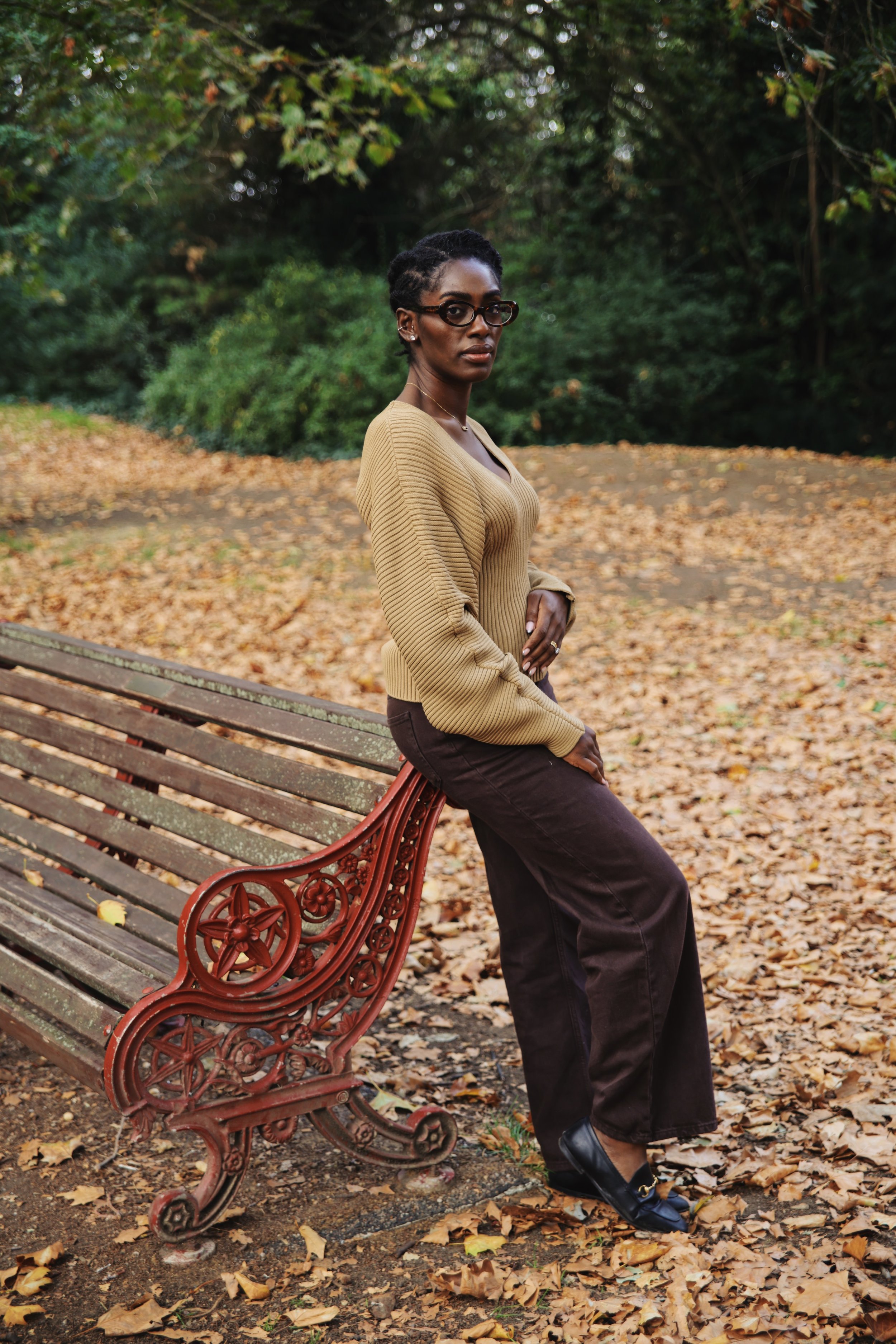
Question: Has motherhood changed your understanding of your own mum? Are there things you understand differently about her now that you’re a mother yourself?
Lowellyn: One hundred percent. My mum, for instance, also lost a child like you mentioned your mum did. I had a sister. We had a two-year age gap, but we lost her when I was five, and she was three.
My mum always spoke to me about losing a child, and I understood it intellectually. I thought, “It must be really painful. I can’t imagine what it’s like.” But becoming a mum has made it incredibly vivid. It’s like I can actually picture what she must have gone through. I can place myself in that situation and imagine, “What if it were one of my children and me? How would I feel?”
And honestly, I don’t know how much I’d survive it. It’s made me see my mum as the strongest person I know, and it’s made me respect her more.
Sometimes you feel like you respect your parents because you have to. But there comes a point where you become a friend to your parent and realise you respect them because you genuinely want to.
It’s no longer an obligation. You understand their lived experience and think, “Wow. There’s a lot there. Hats off to you for what you’ve done.” So I respect my mum a lot more. And I really hope that, as my daughters grow up, they can have that same reverence for me, not because they have to, but because they want to.
I want them to be able to say, “You don’t know my mum. She’s incredible.” Not just, “I respect my mum because she’s my mum.” I want them to feel that way because, when they look at everything we’ve lived through, it makes sense to them.
Question: You’ve spoken about family dynamics and the relationship between mothers-in-law and daughters-in-law. Looking back, have those experiences shaped the way you think about marriage, family and motherhood?
Lowellyn: Let’s start with marriage. I think marriage is shaped by love, yes, but also by alignment. And alignment comes in so many forms. Do our families align? Do our values align? Do we see things in the same way? Can we even get along?
This is one of the things I mean when I talk about Ivory Coast being very liberal. There’s a lot of understanding and patience in what we accept and what we don’t. When I met Isaac, somebody else might have looked at the way he practised Christianity at the time and thought, “Absolutely not.” It was very rigid, in my opinion.
But I gave him a chance because I looked beyond that. I looked at the way he treated shopkeepers, waiters, and people generally, and I thought, “If he can be this type of person, religion aside, then this is who he is deep down.”
In terms of motherhood and marriage, it’s strange, but I understand Isaac’s mum a lot more now. I can understand why she was against us being together in the way that we got together.
I think a lot of it comes from a mother deeply loving her child and wanting to protect them in the best way she knows how. But that doesn’t necessarily mean it’s the right way, or the most conducive way, for that child to live freely and express themselves.
So I have a lot of reverence for his mum, despite what we feel she put us through at a particular point in time, because I understand a mother’s love. I understand that unconditional desire to protect and influence your child, and how that can affect the decisions you make for them.
But this is where I’ve learned a lot: you have to detach. Your child is their own person. You can love them, but sometimes you have to take a step back and recognise that if you truly love them, you need to let them be themselves.
It goes back to what I said about identity. Maybe that’s why I feel so strongly about wanting my children to have an identity.
If they get lost in the love I have for them, they might just want to please me. Then I can make them into whatever I wish them to be. But it’s not my life to live. So I have an understanding of why she did what she did, and this is why I’m so forgiving as a mother. I don’t think that if I hadn’t had children, I would ever have understood it. And I think we might have had a broken relationship.
I thank God every day for giving us experiences that allow us to understand people and really see where they’re coming from.
Question: There’s a part of one of your podcast episodes where Isaac mentions that you were referred to as “the single mum”. I imagine there were a lot of emotions and experiences wrapped up in that period of your life. What do you remember most about that season, and what did it teach you about the woman and mother you were becoming?
Lowellyn: Being referred to as, or pointed out as, “the single mum” was difficult. Factually, there’s nothing wrong with it. It’s a fact. But I feel like it can be quite degrading.
You can refer to someone as a mum. Being single doesn’t change that. It almost insinuates that being a single mum means you have one less leg to stand on, or that it completely changes the dynamic.
From a family-unit perspective, I can understand that not having the father in the picture can influence how a child functions. But I think a mum loves her child and does what’s best for her child. Whether she’s single or not, I’ve seen so many mums give everything to their children.
You don’t suddenly give 50% of yourself to your child because you’re in a relationship. You still love them completely. So I think the hurt came from people saying, “Oh, she’s a single mum,” as though it took something away from me.
It made me think, “What are you saying? Am I different in how I care for my children because I don’t have a man by my side?” That’s what was sad about it, reducing motherhood to relationship status.
But that period also taught me something important. As a woman, I never want to openly judge another woman because of what life has thrown at her. It made me realise that I want to honour people and see the best in their experiences.
And as a mother, it pushed me to work even harder towards raising my child with purpose.
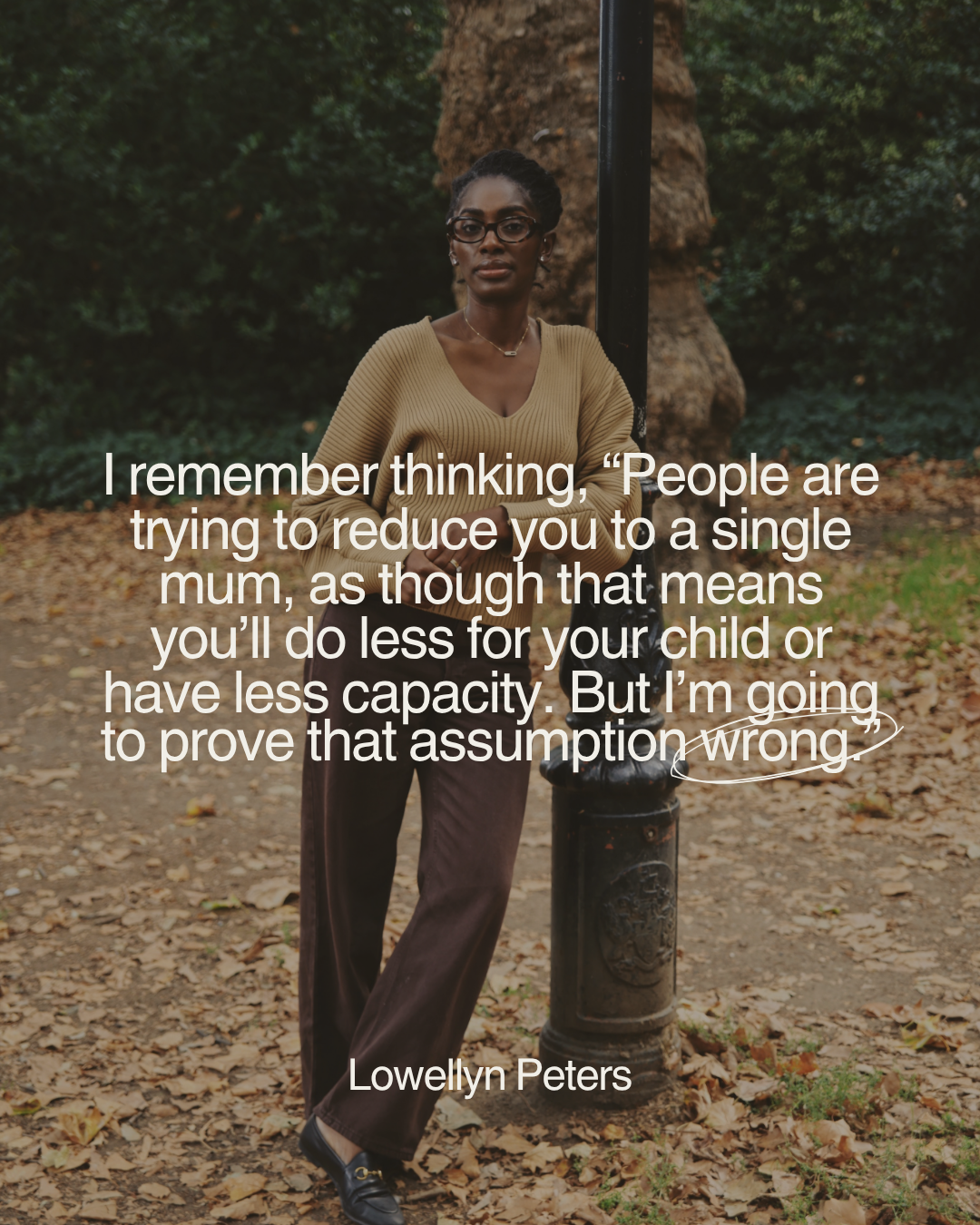
I remember thinking, “People are trying to reduce you to a single mum, as though that means you’ll do less for your child or have less capacity. But I’m going to prove that assumption wrong.” I wanted my daughter to have everything she needed and more. When parents are together, there can sometimes be a tendency to assume the other parent will pick something up. When you don’t have that choice, you have to do it yourself.
You double your effort. And I think that’s why it always makes me question the way people talk about single motherhood. So many accomplished people can look back and say, “I was raised by a single mum.” Who you are meant to become isn’t determined simply by whether you have one parent or two.
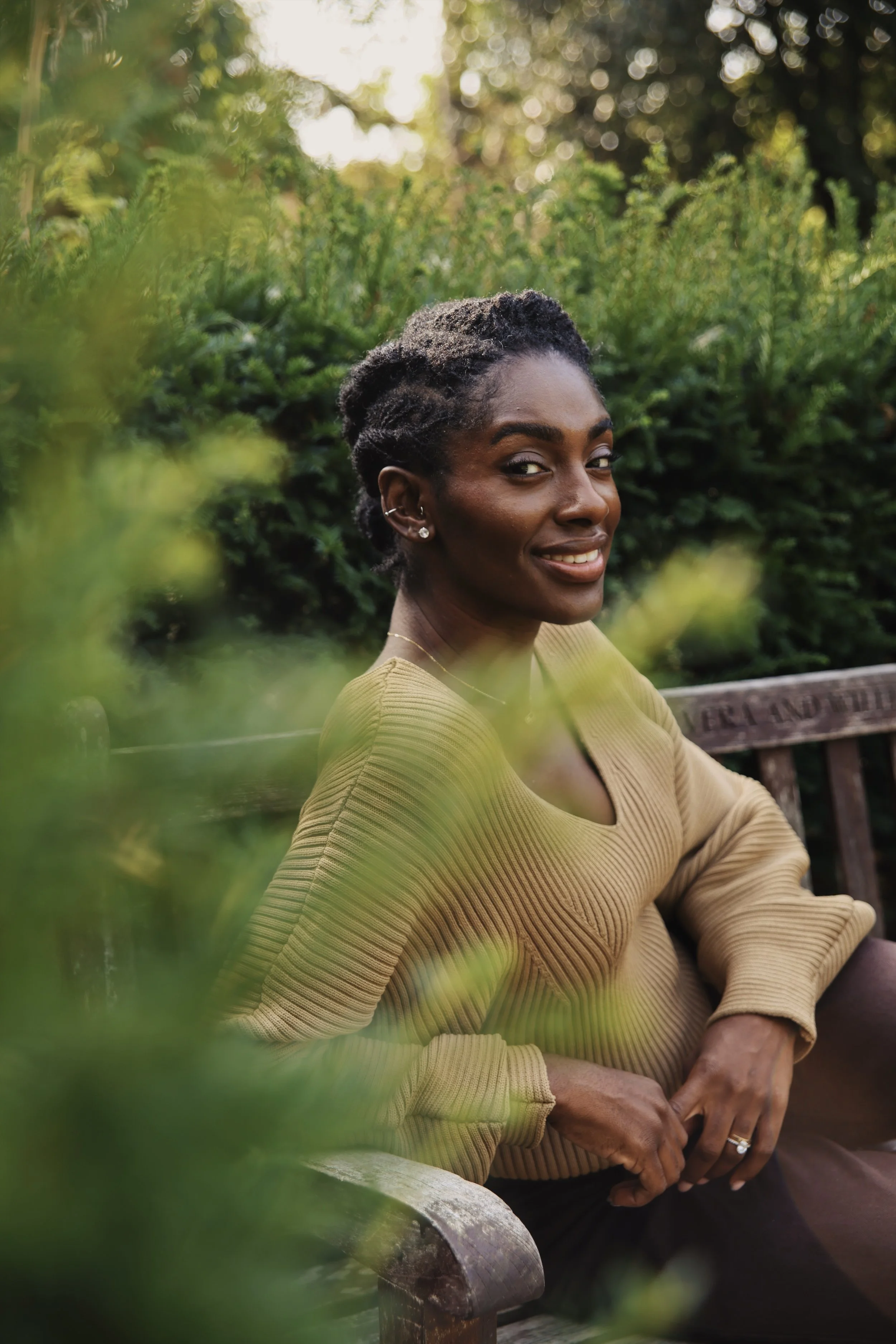
Question: To flip things, what have been some of your most joyous moments in motherhood?
Lowellyn: I think my most joyous moments have been realising who I’ve become. Just realising, “Wow, you had all that capacity. That’s incredible.”
When people say, “My mum is a superwoman,” I think you should be able to say it to yourself: “Damn, I’m a superwoman.” It’s very rewarding. You know how superheroes feel when they’ve just saved the world? They’ve gone through so much effort, but to them it’s almost like, “Great. I’ve just added and sprinkled a bit of goodness into the world.” That’s how I feel as a mum.
I’m like, “It’s all worth it.” And when I see my children smile, yes, that’s lovely, but it’s not even just the smiles because that can feel quite generic. It’s when I see my children trust me. I think, “Me? Little old me? I’m still a kid myself, but somebody trusts me with their life.”
They say, “Mummy, what should I do?”
“Mummy, what should I wear?”
“Mummy, I was so scared.”
“Mummy, can I sleep with you?”
And I’m like, “Wow. I’m a safe space.” That’s incredibly powerful. It’s very, very rewarding.
Question: The heart of this project is “A Mother’s Dream”. When you close your eyes and think of your daughters as grown women, what is the dream you have for them?
Lowellyn: I want them to live their fullest lives and be their fullest selves, no matter how they choose to express that.
That’s literally it in a sentence. However it manifests, and whatever it looks like, I want them to do it fully.
I want them to embrace the fullness of life, the fullness of themselves and how that translates into everything else they do — how they become mothers, who they meet, how they love and how they decide to simply be.
I want them to live. If my daughter says, “I don’t want to get married. I want to travel the world,” but she’s passionate, happy, and fulfilled, I will feel fulfilled too.
Of course, there might be a little part of me that thinks, “It would have been nice to have grandchildren,” because that’s something I might want for myself as a grandmother. But that’s my life. For her, I just want the best and fullest life, the most joyful one.
That would be my dream as a mother: that they fulfil their dreams in the fullest way possible.

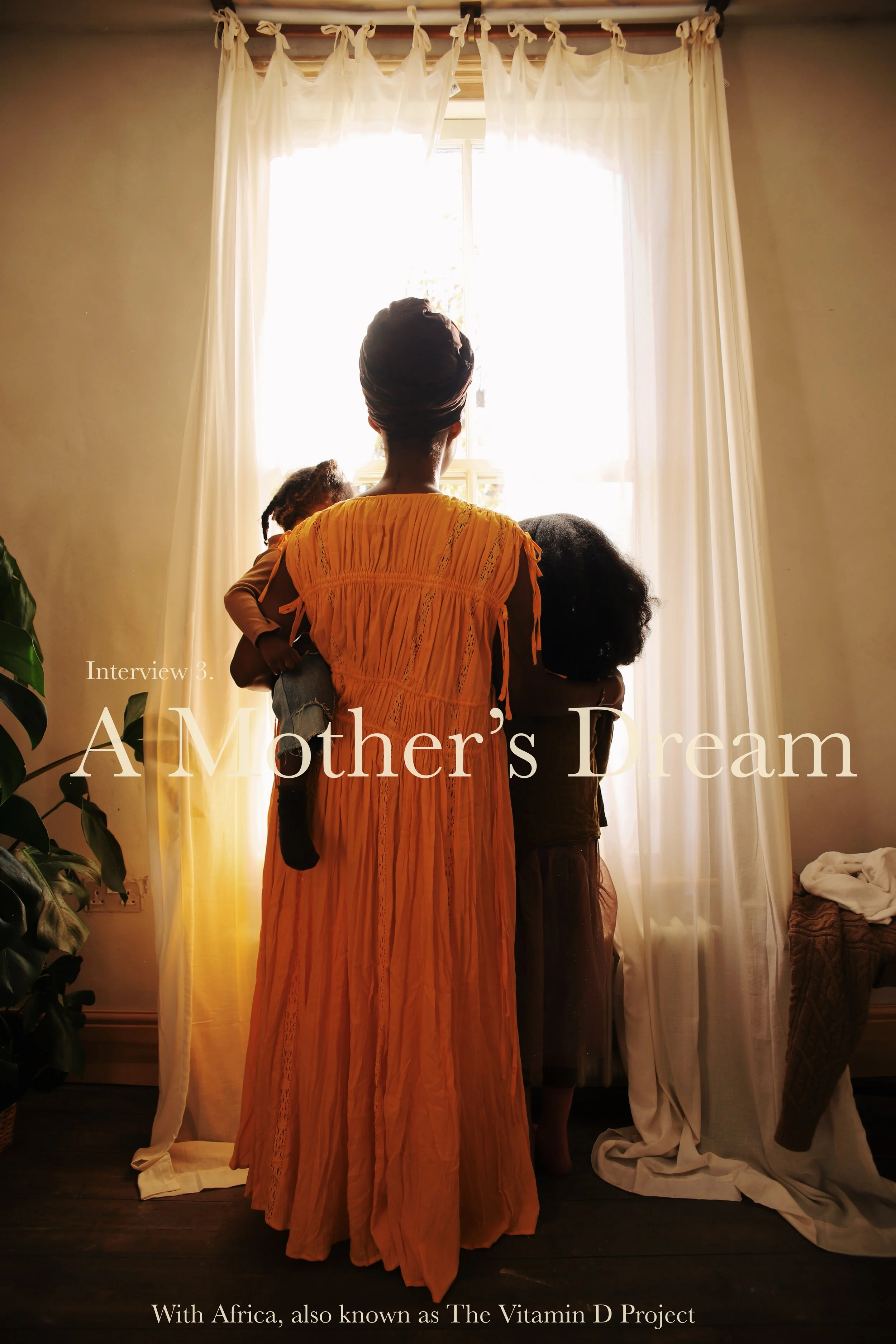
Interview 3: A Mother’s Dream with Africa, also known as The Vitamin D Project
Yossy: After following you for years and finally getting to spend a day with you, I can say I’ve come to know you as Africa, an amazing content creator, and mother, specialising in consulting, interiors and conscious living.
But how would you describe or introduce yourself to someone meeting you for the first time?
Africa: I’d describe myself as a creative storyteller with a passion for mindful living and intentional design. I specialise in creating calm, grounded spaces, blending sustainability with cultural sensitivity -often through reclaimed and second-hand materials.
Beyond my digital presence, I balance a full-time creative career, consultancy, and motherhood, all while sharing life with my husband. My work prioritises advocacy and meaningful connections, which guide everything I do.

Yossy: How has motherhood been treating you so far? Especially with four little ones filled with so much wonderful energy?
Africa: Motherhood has been a beautiful, humbling journey. With four little ones, it’s a mix of chaos and joy -a constant balancing act. Their energy keeps me grounded and gives me immense purpose. Two years ago, I navigated a difficult illness and bereavement, and I dread to think what that period would’ve looked like without the grounding presence of four little ones, including a newborn, depending on me. They’ve been my greatest motivation.

Yossy: Did you always know you wanted to be a mother growing up?
Africa: Yes, but I naively hadn’t realised how much conscious thought and effort it would require. Becoming a mother has been transformative, challenging yet incredibly fulfilling in ways I couldn’t have imagined. While my husband and I share the load, I’ve learned that motherhood is something I need to constantly work at -it’s about intentional choices, growth, and adapting as a family.

Yossy: Looking back, do you feel that leaving home at a young age and the experiences around that shaped you in ways that play a part in who you are today, particularly in your role as a mother?
Africa: It certainly shaped who I am today. Leaving home at a young age taught me resilience, self-reliance, and how to carve my own path. It also prepared me for the reality that not everyone will like you, which is probably the most grounding skill I’ve cultivated over the years. My husband and I actively prepare our children for this reality as well.
In terms of my motherhood, though, my relationship with my husband has brought a beautiful balance to my life. While my past taught me independence, my husband provided the antithesis -a sense of love, support, and being held in ways that have grounded me. That equilibrium allows me to model both strength and vulnerability to my children, showing them it’s possible to be independent and deeply loved at the same time.

Yossy: Are there any lessons or values you took from your parents or childhood that you carry into your own motherhood?
Africa: My upbringing taught me the importance of resilience, but it also highlighted the value of consistency -something my husband and I both feel is key in raising our children. In my own childhood, there were moments of uncertainty, and while they shaped me, I’m mindful of how important it is for my kids to have a steady foundation.
Both my husband and I agree that consistency is one of the cornerstones of our children’s upbringing, in every aspect of their lives. It’s not just about providing stability, but about ensuring they feel secure in our actions, routines, and love. We want them to grow up with a sense of reliability, knowing they can trust the rhythms we’ve built for them, and have that as a foundation for navigating the world confidently.

Yossy: Is there any specific or key memory you hold dearly so far from your eight years of motherhood?
Africa: One of my most cherished memories is bringing our youngest home from the hospital, knowing they would be our last baby. It was an incredibly emotional moment after a precarious pregnancy and a long time away from our children, which is something we rarely do. My mum, grandma, and sisters had lovingly cared for them while my husband and I were in London, and crossing the threshold back home to see them all together on the sofa was unforgettable. Watching them croon over this tiny bundle that completed our family was pure magic -a moment of love, unity, and gratitude I’ll always treasure.
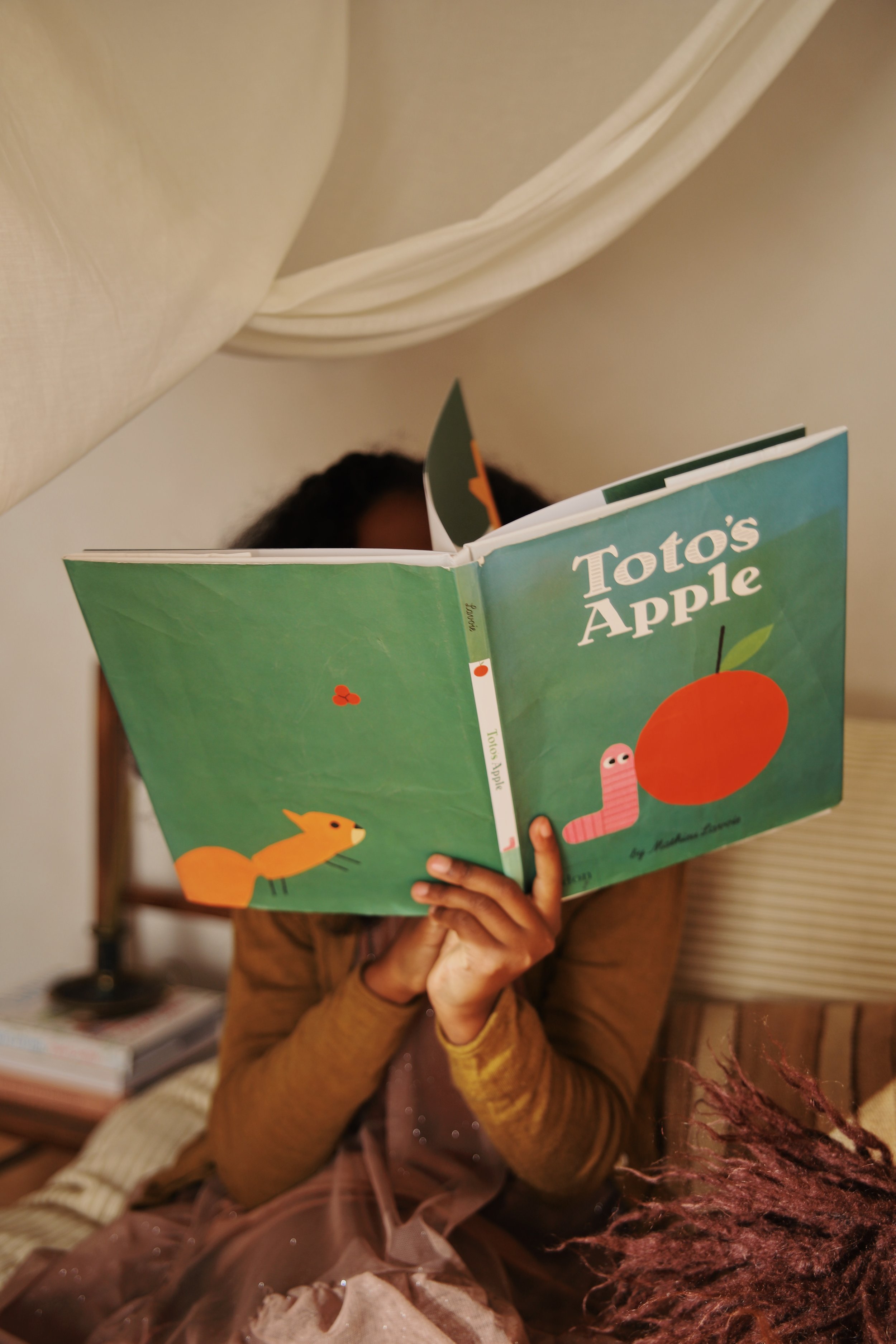
Yossy: You recently relocated to the Kent coast with your husband and children, how has that experience been for you all?
Africa: Moving to the Kent coast has been incredible -it’s opened us up to an entirely new, slower, and more fulfilling way of living. Embracing life with less has brought so much contentment, and we’ve truly fallen in love with this place. While our town now feels like home, we’re also at an exciting juncture where the future feels wide open, and anything is possible.

Yossy: You've been incredibly inspiring in how you use your platform to speak out on social injustices -I've learned so much from your perspective. When it comes to raising children with awareness of these issues, do you have any advice or tips for fostering that understanding? Or do you feel these conversations are best introduced at a later stage?
Africa: Thank you -that means a lot. I believe these conversations should start early, in age-appropriate ways. Children are naturally curious and empathetic, so fostering understanding begins with modelling kindness, fairness, and critical thinking in everyday life. We focus on honest but gentle discussions about justice and equality, encouraging our children to ask questions and think deeply about the world around them. It’s not about overwhelming them, but planting seeds of awareness that grow as they do.

Yossy: The title I have for this personal project is A Mother’s Dream. What would you say your dream is for your children?
Africa: My dream for my children is that they grow into grounded, joyful individuals who embrace life with curiosity and courage. I want them to know they are deeply loved by those who matter, to trust in their own limitless potential, and to carry a deep sense of fairness and compassion -always remaining conscious of those in greater need than themselves.

Yossy: One of the aims I have with this is to hopefully, have mothers-to-be, young mums, have this as a thing they can maybe take from. So my last question is: what would your advice be to younger mums or mums-to-be? What would you say?
Africa: My advice to younger mums or mums-to-be would be to trust your instincts and give yourself grace. Motherhood is a journey of learning and growth -you won’t have all the answers, and that’s okay. Create a foundation of love and consistency, but don’t forget to care for yourself, too. You can’t pour from an empty cup, and your well-being is just as important as your child’s.


Interview 2: A Mother’s Dream with Emiola Taiwo
In November 2023, I booked a flight to Chicago to meet my niece for the first time. Whilst there I couldn’t miss out on the opportunity to make my big sister the second person I interviewed for this project.
In November 2023, I booked a flight to Chicago to meet my niece for the first time. While there I couldn’t miss out on the opportunity to make my big sister the second person I interviewed for this project. We laughed, we cried and we reminisced. Meeting my niece and hearing my sister talk about her experience of being a mother felt so surreal, we were just kids seconds ago, and now she’s the mother of an almost two-year-old.
This interview has been long overdue, so here is my second interview recorded on November 21st with my older sister, Emiola Taiwo.

Yossy: So the first question I have is, if you had to introduce yourself to a stranger who would you say you are?
Emiola: For the most part I say my name, then maybe career comes up, marital status, you know that I have a husband. Also, we live in the city, and I have a very energetic 16-month-old.
Yossy: Did you know you always wanted to be a mother? I feel like, I already know the answer knowing you well.
Emiola: It’s a funny thing, where I feel that you guys always saw me as a mum and I call you my firstborn, I’ve always been around kids, always babysitting the cousins during summer. Even when I moved to America, I used to babysit the kids at church, I’ve mentored and have always had a passion for kids. I’ve always said I want kids and a big family but I don’t think I ever really sat and envisioned myself as a mum. Which, I feel you will find surprising because I have always been the mum to you and maybe that’s why, maybe it’s because it has just been natural for me having been the oldest sister.

Yossy: How has motherhood been treating you?
Emiola: Mmm, motherhood has been good, it has been hard, it has been rewarding, it has been frustrating. I feel like this journey has stretched me. There’s the you that you thought you were and the you that you didn’t even know that you were, that motherhood brings out. It has been motherhood in different stages from when she was first born till now, it has been multiple seasons. Even in each of those seasons, on the same day, you feel multiple emotions. You can go from “Oh my baby she is so cute, she’s so smart” and then ten minutes later you’re like “Why are you doing that?” Haha.
It is all of the emotions, all of the learning, all of the everything. It has taught me to be on my toes, not take things too seriously, forgive quickly, constantly learn, and love even deeper. I’m a lover, I love deep and man…motherhood? There’s this different love. You’re just looking like wow I gave birth to her? I find myself staring at her. I feel like I’m tired every day and then the next day God gives me what I need to get back up, that’s been motherhood, every day is different.
Yossy: What would you say your biggest lesson has been so far?
Emiola: The weight of what is in front of me. Every day and moment when I’m interacting with her, there is this reminder to be intentional with how I’m raising her. My impact on her is going to be long-lasting, I say to my husband I know we are going to make mistakes because we are human but my prayer is that the mistakes that we make, aren’t things that she has to heal from. I am constantly realising that what I’m saying and how I react is being picked up. Even when she does things that are frustrating how do I redirect her, where I’m not fighting fire with fire? Because kids are going to do what they want to do and you’ve met Temi, she is, going to do what she, wants to do!
Yossy: Oh my gosh Temi and the word no? She exercises her right to say no haha!
Emiola: And I love that for her right, she is a black girl in America and we’ve had these conversations. I’m big on wanting her to be confident, I want her to make her presence known, claim her space, and not be looked over. This is such a critical moment and opportunity, yes she is my daughter but she is also another human being in this world and eventually, she is going to find her path and forge her way but there is a foundation that we hope to get right for her.

Yossy: Are there things you would say shaped you as a mother or affected how you brought up Temi? For example, moving to Chicago at a young age technically but not technically alone?
Emiola: Definitely, some of my approach to her is inspired by my mum, the aunties, and grandma. I grew up with my mum in London, then at secondary school age went to Nigeria, and then came to Chicago at 16, I didn’t get that typical living at home with my parents until adulthood experience. There was an independence I was forced to have, good and bad. Then when I moved to Chicago, I built a community who became parents to me so I gained a group of mums here who jumped in hardcore to help me as I was there without my mum or you guys.
So when it comes to raising Temi I think that has shaped me, for example, I don’t need too many opinions and not in a bad way, I’m very decisive and I know what my plan of action and what my goals are. Childhood too, I grew up quickly, there were things I had to think about or do much quicker than a child should. So now raising Temi, there’s a protecting of her childhood.
My childhood in London? I loved it, I feel like my mum protected me from a lot of things that were going on around me. She did the best she could with what she had, there were times I had to spend time at y’alls house to help protect that childhood for me. Then there were times when she was real, she would tell me this is what is going on and I think for Temi, I want her to have a carefree life, not irresponsible just happy. No worries, black girl luxury, loved and light. The world is already so heavy and I don’t want her to be thinking about so much at a young age.
I don’t like that I’m away from you guys in London, I remember when I was moving, there was a moment where Sade and I had where we were like wow you’re going to be in America, we’re all going to be here in London, our kids are not going to grow up with each other, I’m getting emotional again haha. Our kids will not be as close as we are, I feel like that’s been a difference from how I was raised. All the cousins, we don’t say cousins we say sisters because that’s how close we are, if anyone would call you guys my cousins I would get so irritated. So raising Temi, I want to make sure that as crazy busy as life is she is getting that time to Facetime you guys and be on the phone, having that close connection to family is something I want to raise her with.

Yossy: Do you think you took any lessons from how your mum raised you? Which I guess touches on your previous points.
Emiola: In some way, we become our parents, the good and the bad. My mum is someone who loves deep, she sacrificed a lot for me and still does. She loves her granddaughter, she loves me, she loves my husband and so that is something I have learned from her. Growing up we weren’t the richest but I did not know that, I thought we had moneeey, but no we didn’t. Not that we were dirt poor or anything, but we weren’t as well off as I thought we were because she did everything she needed to do to make sure I had everything I needed and more.
Moments when growing up it was just my mum, it was mostly only her. We went to one of the most expensive schools in Nigeria and she was the reason I went, for me as a mum there is this sacrificing and prioritising of Temi. I remember growing up all of the school functions, it was always my mum or my friend’s mum volunteering, she was so involved. There’s a want to advocate for my child just like my mum, at Temi’s daycare they know that I am an involved parent.
There were moments I had to tell my mum you aren’t God, in the sense that she can’t protect me from and control everything. This is something I’m learning with Temi I can only do what I can, at the end of the day, God is the one who gave her to us and is in control.

Yossy: What would your one piece of advice be to younger mums or mums-to-be?
Emiola: Find your tribe, motherhood is hard. Motherhood has the glories, the fun, and the rewards yet it can feel lonely and frustrating. A friend came over and said “You have so many people around you” and because of that, it can be easy to assume I’m good. But one of the things I was sharing with her was that everyone has their own life. When you intentionally do life with your tribe even amid struggle and busyness, you have already cultivated that. So in the season of motherhood, sometimes I feel like I have a lot around me, yet it can feel isolating.
Especially with you guys being in the UK, you don’t know how important that banter is, having that moment to release and take breaks. You need a tribe that will encourage you, love on you and your child like they are their own, and let you know you’re not going crazy. A tribe where you can be yourself and where there is no judgment.
Yossy: Lastly, the title of this project is called A Mother’s Dream, what would you say your dream is for Temi?
Emiola: My first response is for her to be able to dream, challenges will come right? However, I want her to have the space to breathe and dream. In her young years, I want her to be a child and not stress over adult problems, even into her adulthood, when it comes to having desires and goals, I want her to know that the sky is the limit. You want it, you go after it. For many, life weighs them down and the idea of dreaming feels like a privilege versus the norm because of the reality in front of them.
In loving memory of my dear Aunty Bisi.

Interview 1: A Mother’s Dream with Adedayo Bamgbose-Akinsanya
I set myself the goal of reading and finishing one book this year, my choice just so happened to be ‘Conversations on Love’ by Natasha Lunn.
I set myself the goal of reading and finishing one book this year, my choice just so happened to be ‘Conversations on Love’ by Natasha Lunn. One part of the book stuck with me:
“Last year my mum called while I was getting ready for work. I was already late, and as she spoke about her plans for the week ahead - her pilates class, the friends she was having round for dinner, the recipes she was considering, I absent-mindedly asked short questions, holding the phone in one hand while fishing around my drawer for two matching socks with the other.
At first, a familiar feeling rose up in me, a combination of distraction and frustration and stress; a reminder that I didn’t have time to talk. But then, a second feeling: a sudden awareness of the fleeting beauty of this phone call. The latter only appeared because, a few days before, I’d interviewed a woman who’d lost her mother, who said what she missed most was sharing the tiny, seemingly pointless details of each other’s lives.
It was only because of that conversation that I sat down on the edge of the bed and really listened to my mum’s voice: the way she shortened pilates to ‘lattes’'; how she said, ‘I’ll give you a tip…’ every time she talked me through a recipe. Instead of waiting for the right moment to interrupt, soon I wanted to tightly bind this conversation to memory”.
In 2021 we lost my aunt and since then my mother and I have grown closer. I’ve come to understand her more as I’ve grown older, we have more honest conversations nowadays. Losing my aunt was the first major loss I felt deeply, it shook my family to our core and made me realise that you never know when it’s someone’s time to go. If you knew my aunt, you knew all she wanted was to become a mother, she was a natural and she had always been one to us but I never understood that deep want. Maybe it’s down to me still only being in my early 20s and the broodiness just not hitting me yet, as well as not feeling that societal pressure yet due to my '‘biological clock’ still having time on it. Maybe it was due to reflecting on my own relationship with my mum growing up and knowing it had its moments I was just not ready to deal with.
Pairing the book with the loss of my aunt, a newfound want to be a better daughter, friend and support to my mother. It can be easy to forget that our mothers were their own people before having us, some not having the easiest journey into motherhood, their own mental health battles, their own harsh upbringings, broken relationships, and whatever else life threw at them.
Therefore, in honour of my aunt who I know is watching down on us in heaven, I wanted to use this personal project as an opportunity to have open conversations about the journey of motherhood. There are numerous goals and outcomes that I hope comes from this, whether it be someone reaching out to their mum to work on their relationship, someone finding comfort in knowing others had similar journeys to them, or mothers still very early into their journey learning something from the interviews.
So without further ado, here’s a conversation I had with my mother on February 16th, happy mothers day to all the mothers and mothers to be out there reading this!

A portrait of my mum taken at home, november 2022.
Yossy: so hi mum, thank you for joining me for this interview! The first question I would like to start off asking you is, who would you say you are, and how would you describe yourself to a stranger?
Mum: my name is Adedayo the daughter of Mahmoud Aderounmu Bamgbose and the wife of Adesumbomi Akinsanya. I’m the mother to two wonderful beautiful girls, Folasade and Folayosade. I’m a very hard-working woman and support to my husband, I hope I’m leaving legacies for my two wonderful daughters. As we say in Africa, our children are our wrapper, now they are adults, the dynamics are changing, so I would say they’re my daughters and I have two beautiful friends. I’m a blessed person, I have six best friends, I had two on earth waiting for me and I had four after me, those are my sisters, I’m one of seven and I have my oldest bestie, my dear mother.

A picture of my mum when she met my dad in the 80s.
Yossy: amazing, my next question is did you know that you always wanted to be a mother?
Mum: oh definitely, coming from Africa it’s like…you’re surrounded by family and friends and children. I mean it’s a different way of life now for my children’s generation but for my generation, I had a wonderful stepdad who said you get a good education, get a good job, then you’ll meet someone and be an asset to them and have children, so it was all I would hear, it was stipulated, it’s all you know growing up based on what you see around you. My children’s generation is career first, finding your own path, not just looking for someone to complete them, wanting to achieve many things before getting married.
Yossy: so you say that your mum is your best friend and teacher, how was your relationship with grandma growing up?
Mum: I didn’t see her as my best friend growing up that’s the saddest part of it, you know because there were seven of us. My mum has always been someone approachable, she started becoming my best friend when I was having my children and she would come to stay with us. Growing up with her, she was very strict, we didn’t know it was for our own good, she was a hands-on mother. In Nigeria back then, many parents would leave home and go to work or go to the shop, my mum, we her children were her job, were her everything. I lost my dad when I was really young going to age 10, then my mum got married again to my stepdad, they were really good, so I learned a lot from my mum.
She wasn’t like other mums back then that would go to parties or have many friends, she made her children her business and she’s benefitting from it today. But thank God for the way she brought us up, we have a saying in Yoruba '“always remember the daughter of who you are” before you make mistakes and take the wrong steps. I think of my mum in many decisions I take, they provided for us so we don’t go out looking for things we shouldn’t. Taking those steps in bringing us up like that, my sisters and I are still very very very close.
I remember going back for the first time after my three years of education in England, I had my husband who was my boyfriend then in 1987, he lived in Ogun state and me in Lagos, I had a 9 to 5 job and thought I was an adult but if I go to see him in the morning over the weekends only, I couldn’t sleep over. Now we appreciate that strictness she had with us because we weren’t exposed to some of the bad things our friends were.

Yossy: you spoke already a bit about your relationship with my dad, when it came to getting together how did you know he was the one?
Mum: oh your dad choked me with love haha, from day one! We met (he would say otherwise when telling his side of the story) before summertime in 1985 and then I was seeing someone, not really serious at the time. Back then in England, one of the main ways of meeting someone was discos, I went to one with a friend, and the first time I met him I ignored him. We met again three months later I think around August or September, there was another disco as that’s when students would get remittance from Nigeria. This time I met your dad I wasn’t seeing anyone, we were dancing when he told me that he was at his last bus stop, which means you are the person I will marry in the future.
So from day one he made me feel comfortable in the relationship, he made it known to me that I was special to him. Then I was young, he’s six and a half years older than me, I was just out there to have fun with my friends. He let me know it wasn’t a casual relationship, and that he’s in this for the future, I had many people interested in going out with me but I did not take many of them seriously, so your dad was lucky. I’ve learned a lot from your dad, he’s been like a big brother to me, a teacher, best friend, and a dad, I felt safe with him. We just knew we were for each other, I didn’t introduce him to my parents, he went back to Nigeria to introduce himself to my parents. It’s been a love story for the two of us, we’ve been through it all and we’re still together (to God be the glory) it will be 38 years we’ve been in a relationship and 33 years married this year, it has its trials and tribulations but we thank God we’ve had each other backs.

Yossy: you and dad have been married for many years, and you have Sade and me, how would you say your journey was through motherhood?
Mum: motherhood…you can’t say this is how it will go, it’s an ongoing forever. I remember when I was pregnant I was with Folasade, and how happy I was, some of my friends were pregnant then, some already had their kids and were married, and about five or six of us were pregnant together in 1990-1991. You plan it in your head this is how it’s going to go but mine didn’t go according to plan or how it’s supposed to be. Everything went upside down at 28 weeks, I gave birth at 30 weeks pregnant so my first taste of motherhood was a disappointment because I was comparing it to how my friends and eldest two sisters’ pregnancy experiences went.
The first thing was do I survive? Does Sade survive? My husband as well as my family, were all praying for us to survive it. The first two months of Sade coming into the world were spent at Royal Free Hospital in the special care baby unit, it took two weeks for me to be discharged. It was full of daily commutes to the hospital, hoping Sade would come home, I gave birth to her in September and finally brought her home in November when she was due, she wasn’t even five pounds. She was two pounds two when she was born, when we would visit the clinic I wasn’t a proud mother because my baby was really small to the people around me. So I felt like a failure kind of, compared to other mothers with babies with rosy cheeks but that journey made me appreciate being a mother even more, surviving it with Sade and your dad, all of us learning together.
Then we had a second child, we had planned when Sade turns five we can have the next one. It went well, we gave birth to a beautiful baby girl whom we lost to cot death when she was five and a half months old going to six. I was meant to go back to work, so that was another testy moment but thank God for Sade and your dad. We lost her in 1996, and it took us a while before we felt ready to try again but luckily for us, God was so wonderful I fell pregnant in the summer of 97’ precisely in Queens New York, then gave birth to a wonderful, beautiful baby who is interviewing me, Folayosade on April 1st, 1998. It took me almost two years to sleep through the night, not wake up in the middle of the night to check on you, move your body and make sure you were still breathing.
When I was giving birth to you I will never forget, I always have my sisters around me when I’m giving birth, and your dad came and hugged me. What my sisters didn’t realise was that your dad whispered into my ears and said, no more it was too much trauma for us giving birth. I told my mum and sisters and they understood, at that moment I knew that was it, and thank God for our two beautiful daughters.
I remember when Sade became a teenager and I had to say to her “Folasade you are a teenager, I’ve never been a mum to a teenager so we both are learning, that’s the way it is”, I put my hands up when I get it wrong. It’s been a journey of learning, discovery, trusting them, and giving them a hand to hold, I’m still learning.

Yossy: are there things you would say shaped you as a mother? Or affected how you brought us up?
Mum: we had a shaky relationship with your dad’s family, which brought us very close together. We lost a lot by a way of living here, I had a really good job back in Nigeria for a young lady but we couldn’t stay on, we had to move back here and when we came back here, the standard really dropped. We were living on our parent’s money when studying, so when we came back he had to stay with friends who he had helped, I stayed with my sister with a young family, it wasn’t what we were used to. It’s like we had started all over again, it made us really strong.

Yossy: did you feel ready to be a mother when the time came? Do you think that you can ever feel ready?
Mum: that’s a tough question Folayosade. I will never forget what my older sisters said to me when we got married “oh you have to stop family planning, it will take time for you to get pregnant”, the first month I stopped taking birth control I got pregnant. I never knew I would fall pregnant that fast haha, so no matter how ready you are you can still be unprepared.

Yossy: the title I have for this personal project is a mother’s dream, what would you say your dream is for us?
Mum: I have so many dreams for you guys, first of all, is giving you guys confidence. That was my aim when bringing you up, for you to be able to handle yourselves no matter what situation, and to have confidence as a young African lady. Not to be timid, go for their dreams, to achieve their dreams as well, and say to themselves I can do it. I want them not to waste time because looking back, I would say there are some things I regret not doing and that I did, that I could have done a better way. From my own experience, I’m telling them this is the right time to do these things, don’t hold back, and nothing is impossible with God’s help.
I want them to be free and open and enjoy life, own up to their mistakes, move on from them and not let them hold them back. I don’t want them to be caught up in the lifestyle now, too much competition out there, too many unpleasant things going on out there. You learn from mistakes, you dust yourselves off and try again you know. For them to be happy, hold their heads high as young capable ladies. I want them to own the world, not for them to think they aren’t good enough, we’re not good at everything but you find what you’re good at! I want them to thrive in their career, in their life, in their relationship, and in everything. For them to be themselves, know who they are, don’t model themselves on anyone else, you’re uniquely made by your father and me.
I want them to come to me, to be open, I don’t hold back from them since they were young. What we can and can’t afford, I’ve never pretended to be someone we’re not. Maybe one of us is out of a job, or we can’t afford certain things this year, I’m always honest with them. I’m glad, I think I can say I have an open relationship with my children, and I’m grateful for that.
Yossy: that’s beautiful, I’m so happy. Leading on from what you mentioned, what would you say being a mother has taught you?
Mum: being a mother is forever, it’s 24/7. The dynamics of our family have changed since I became a mum over 31 years ago, Sade has moved out and Yosade you always have one leg in and one out, so your dad and I are finding ourselves in a place we’ve never been before. We’re still your mother and father no matter what but I still want to hear from them. Not being under the same roof doesn’t stop you from being a mother, being a mother is a constant, it’s a tug at your heart that pulls. Sometimes you have to take a step back to let them learn but it can be hard, to let them do things themselves. You want them to be great all the time, and you worry so much, I’ll always ask them about each other to make sure you’re both doing okay. They’ve made me realise they will come to me if anything is wrong, I don’t always have to worry.

Yossy: lastly, one of the aims I have with this is to hopefully, have mothers-to-be, young mums, have this as a thing they can maybe take from. So my last question is what would your advice be to younger mums or mums to be, what would you say?
Mum: be patient, let them grow as a mother, you worry about them. Make sure you’re approachable and let them know they can come to you. Know when to step back, be there for them, pray for them, I say to God “fill my mouth with the right words so I won’t say the wrong words to set them off, that I’ll say words that will be welcoming and encouraging to them”. Let them know you love them, assure them, and tell them you’re proud of them. I let them know where I’m coming from as a mother, that it’s coming from a place of love because I want the best for them. The world has changed compared to when I was younger, compared to back home in Nigeria so I try to understand them, I’m blessed I had their nan (my wonderful mother in disguise who was their childminder) who explained to me this is how things are in the UK.
Be there for them no matter what you are going through, we mothers also go through things but being a mother comes first no matter what, you provide for them and be there for them emotionally, physically, financially, and socially. A mother’s love is forever, you can’t decide one day you don’t want to do it anymore. Motherhood is a beautiful thing, it’s a blessing, I’m using this opportunity for those looking up to God for them to be blessed with a child of their own.
Seeing them grow and become young adults, finding their own ways, going to spend time with my daughter and granddaughter in Chicago, she’s my niece but I call her my daughter niece, I thank God I could witness that, that now she’s on her journey of motherhood herself. I remember when she was born, a baby in my arms, it’s a continuation. I’m so blessed when I put things on now, I’ll maybe say the bra and pants are mine, the rest was given to me by my daughters, I look forward to mothers day every year because I know I’m going to be spoiled. I pray for every mother out there that their journey with their children will be a blessing as well and that they take them to a place where they can stand on their own.

In loving memory of my dear Aunty Bisi, pictured here with my mother.

Notting Hill Carnival
What started as a small children’s street fayre during the mid-60s has now grown into the annual celebration of Notting Hill Carnival that we look forward to.
What started as a small children’s street fayre during the mid 6os has now grown into the annual celebration of Notting Hill Carnival that we look forward to. The first outdoor carnival took place in the streets of Notting Hill in 1966 and continued up until covid put a three-year pause on the celebration.
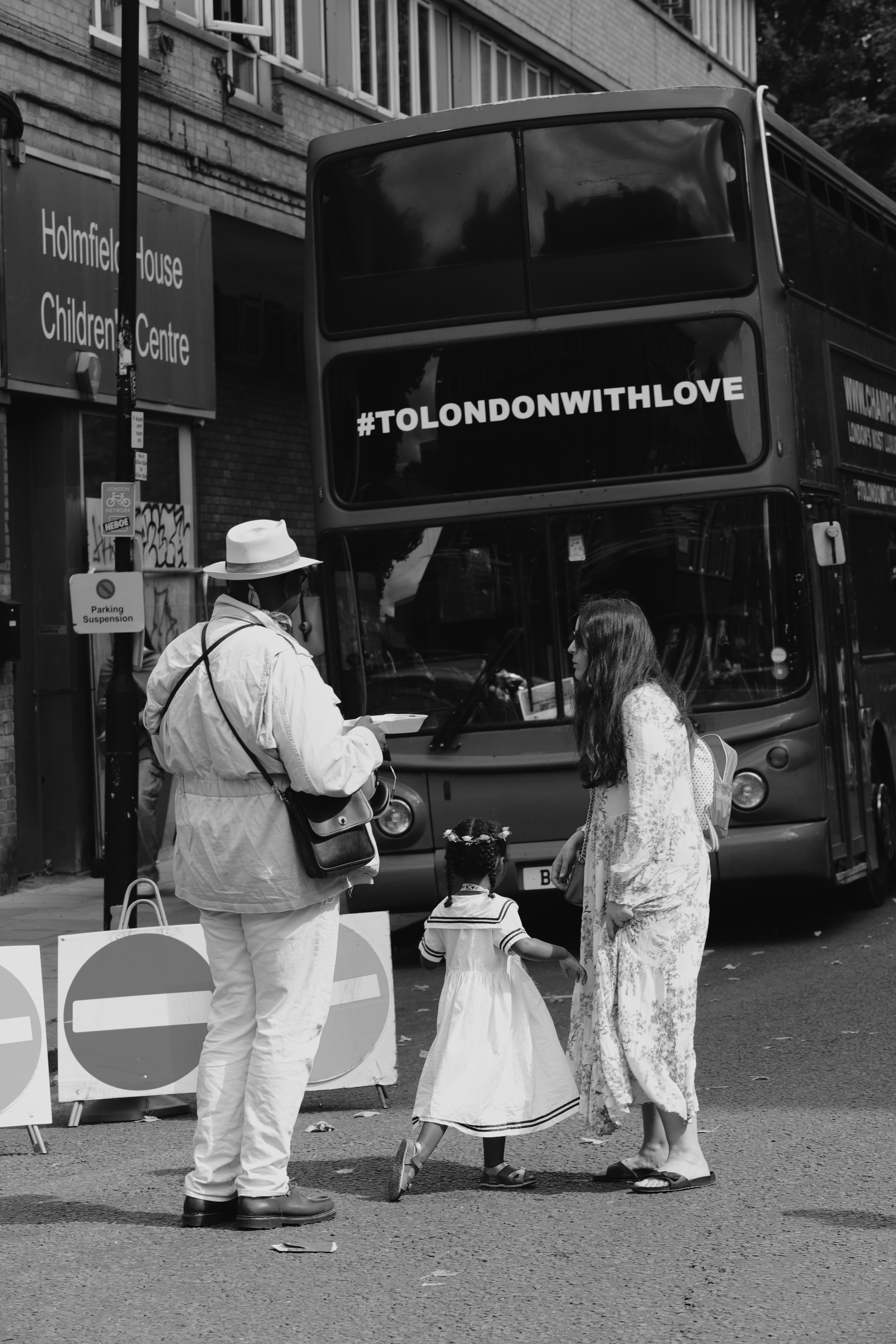
With its return highly anticipated this year, thousands flocked to the streets of West London, including me and my camera to enjoy the three-day celebration. After attending the much smaller Hackney Carnival in 2019 with only my camera for company, I was so excited to finally experience Notting Hill Carnival for the first time. What made this experience even more special was attending with a group of black female photographers to do a photo walk in partnership with MPB.

From news articles to skeptical parents, what Notting Hill Carnival is portrayed to be and what it actually is are two different things. Full of violence and dangerous are two things news outlets will be quick to report the experience as however, I can tell you after attending both days that it’s filled with nothing but a sense of community as well as happiness.
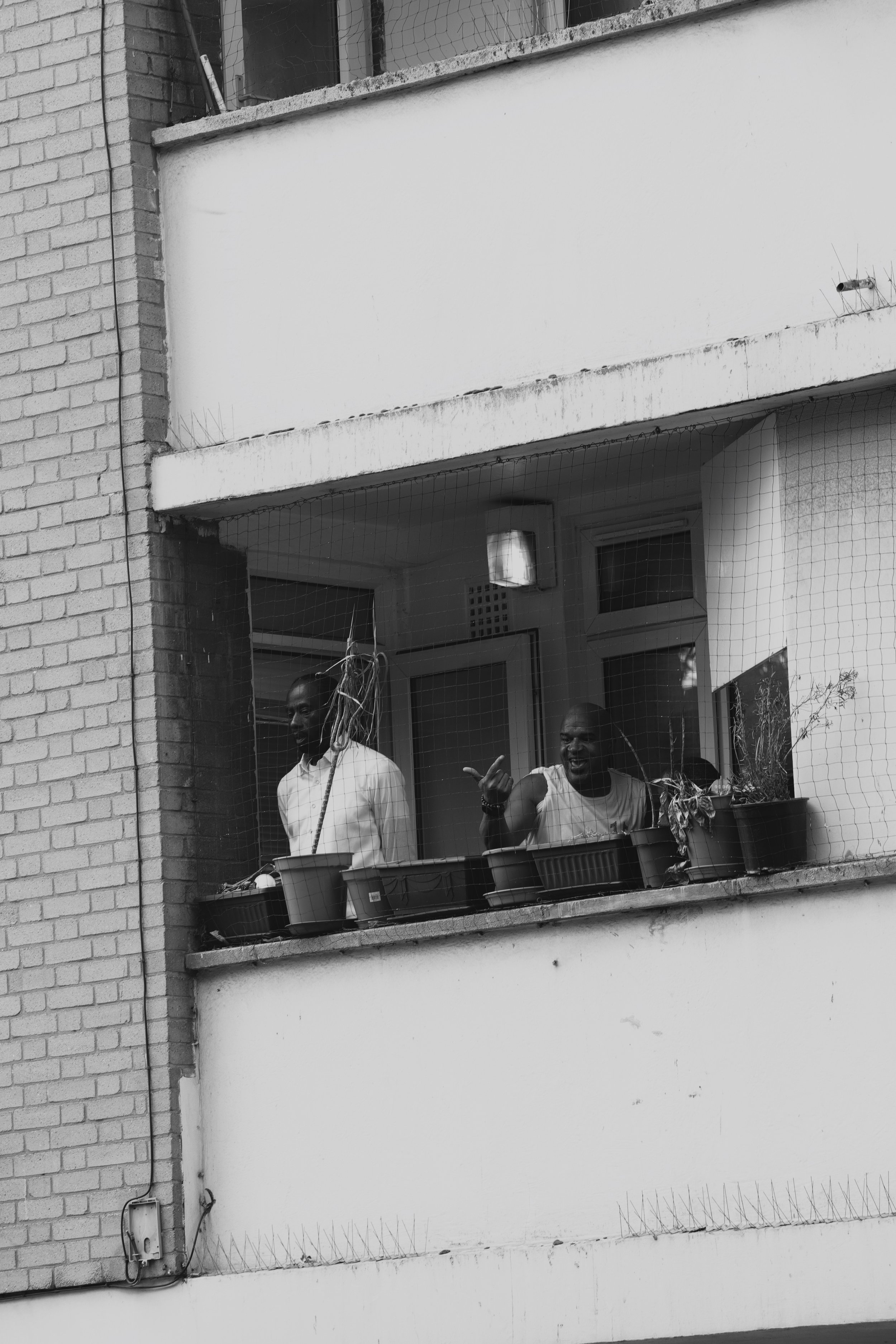
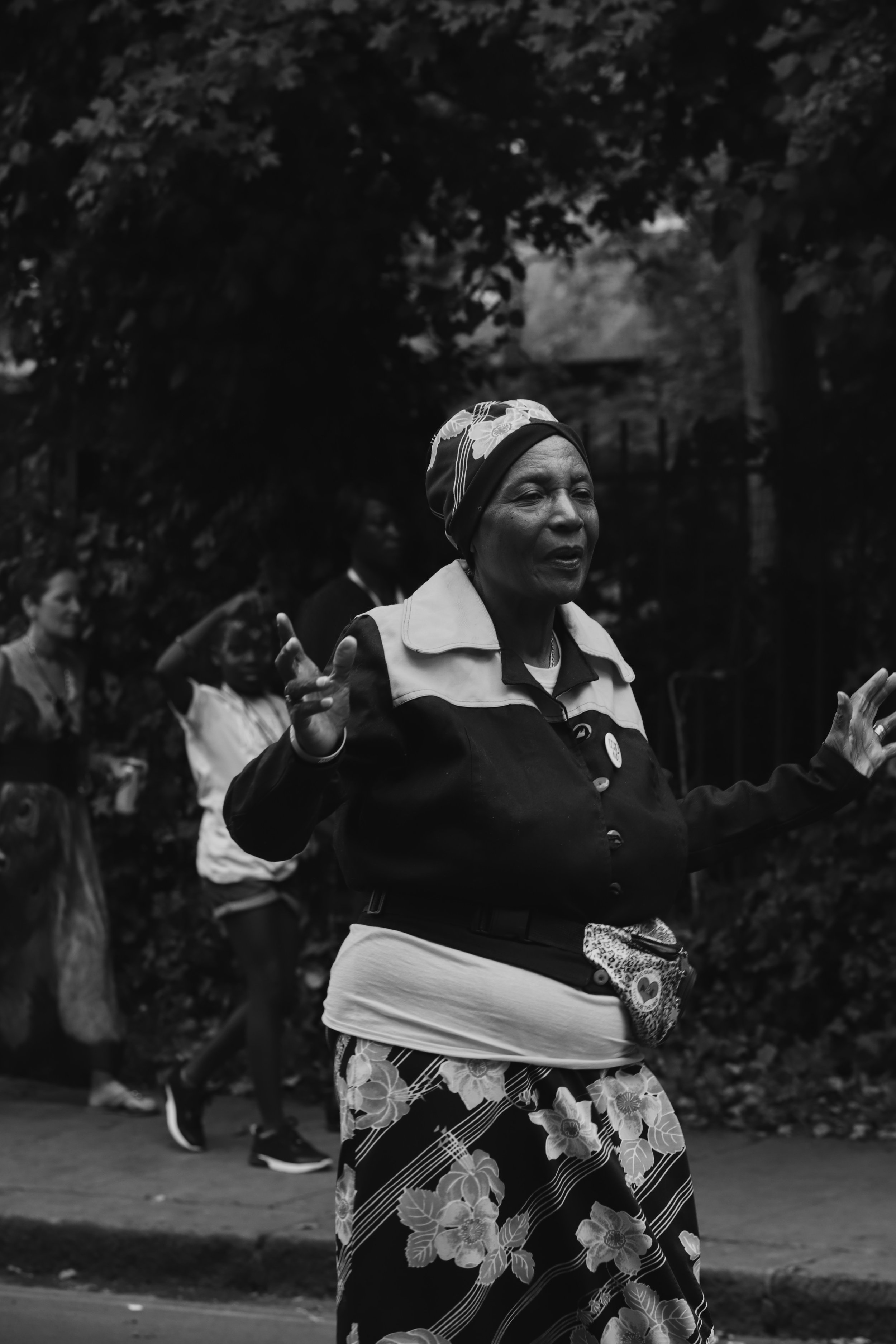
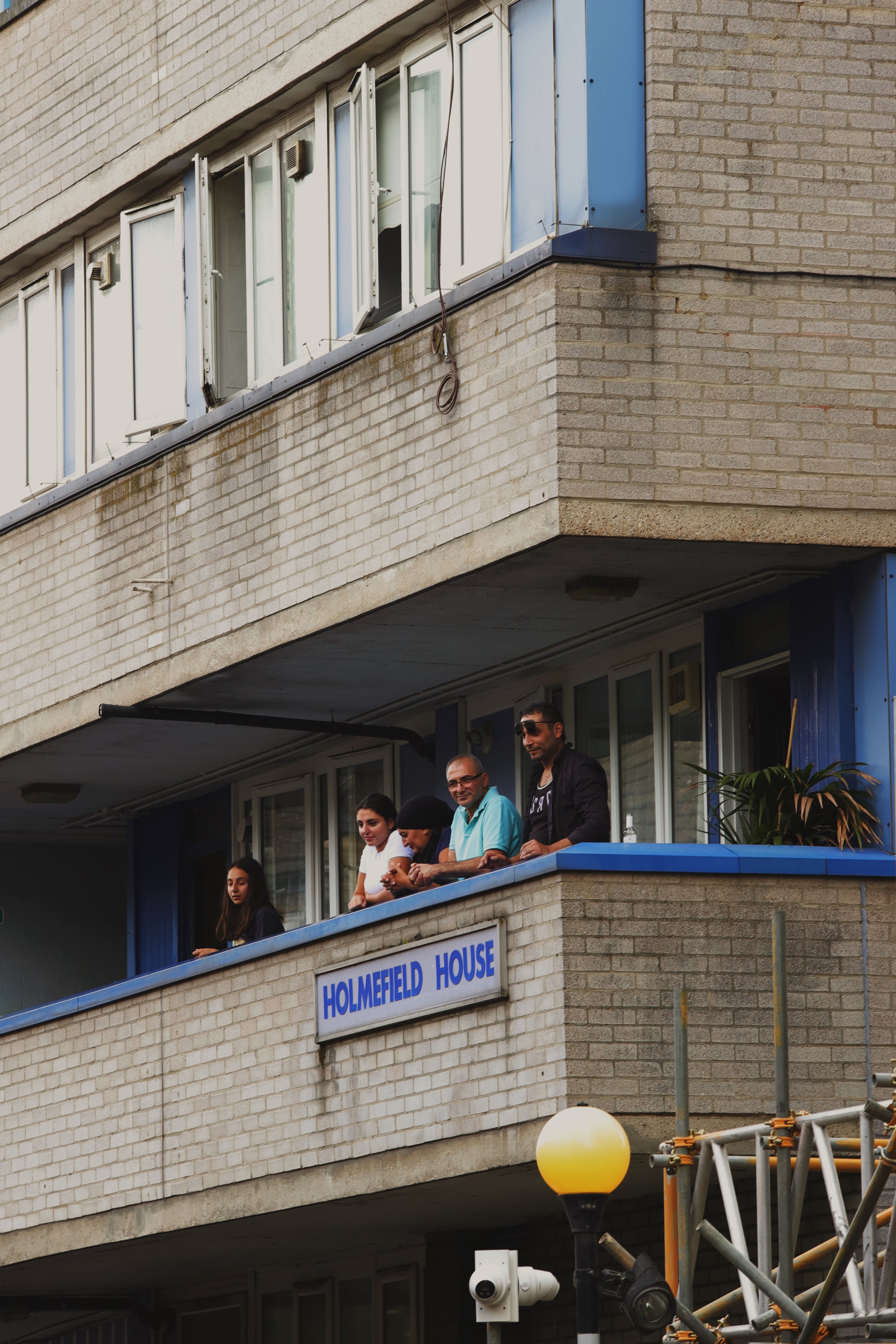
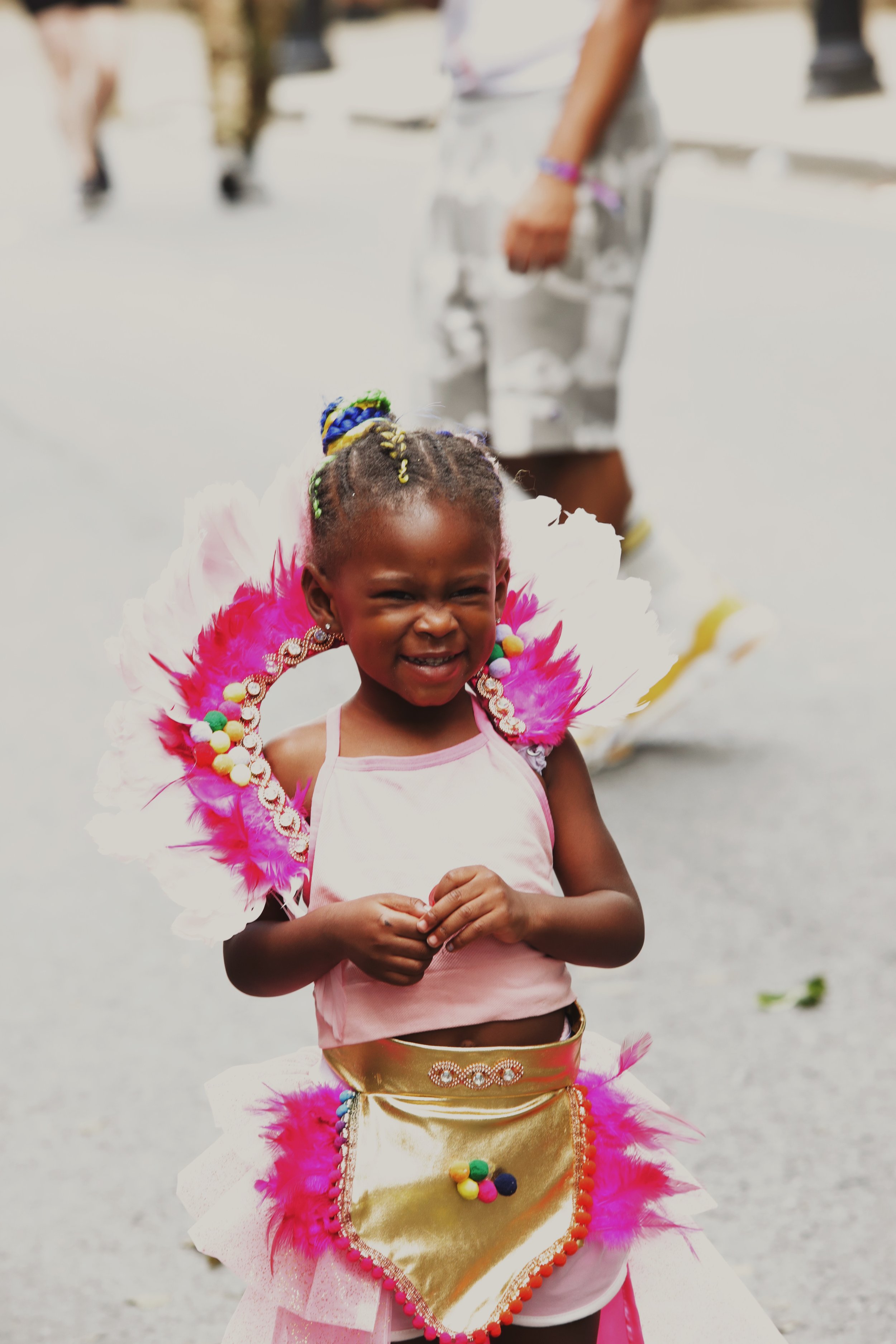
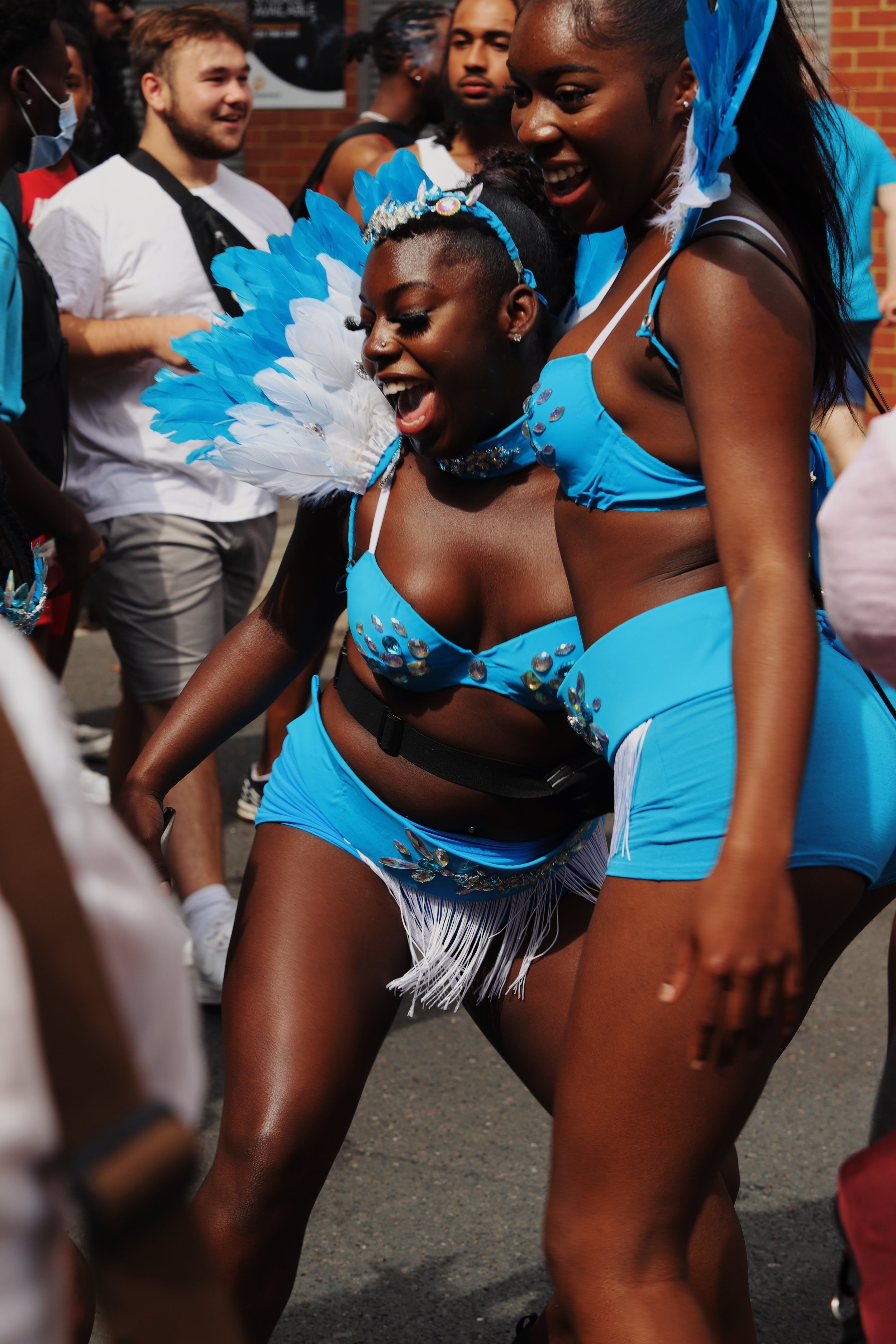
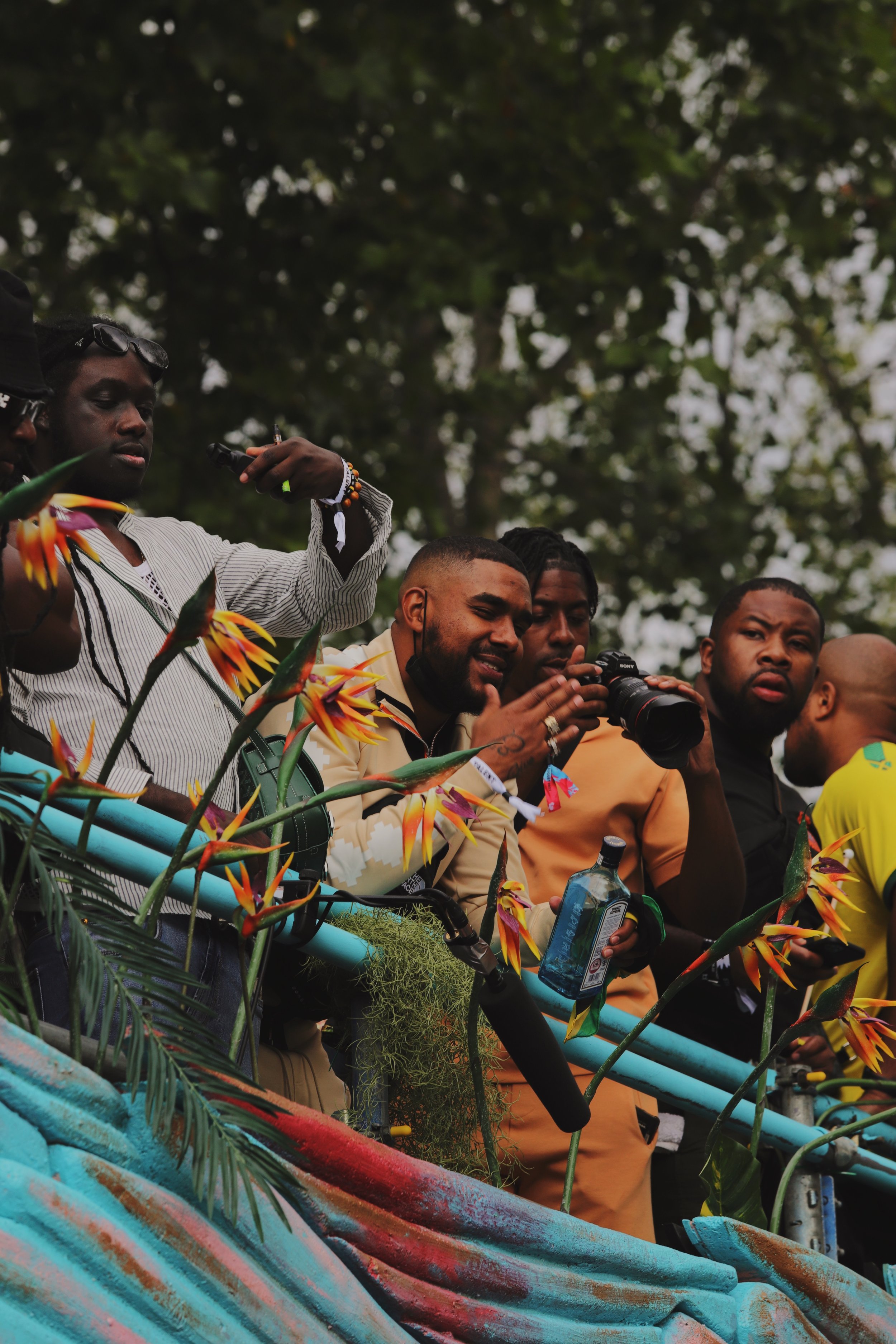
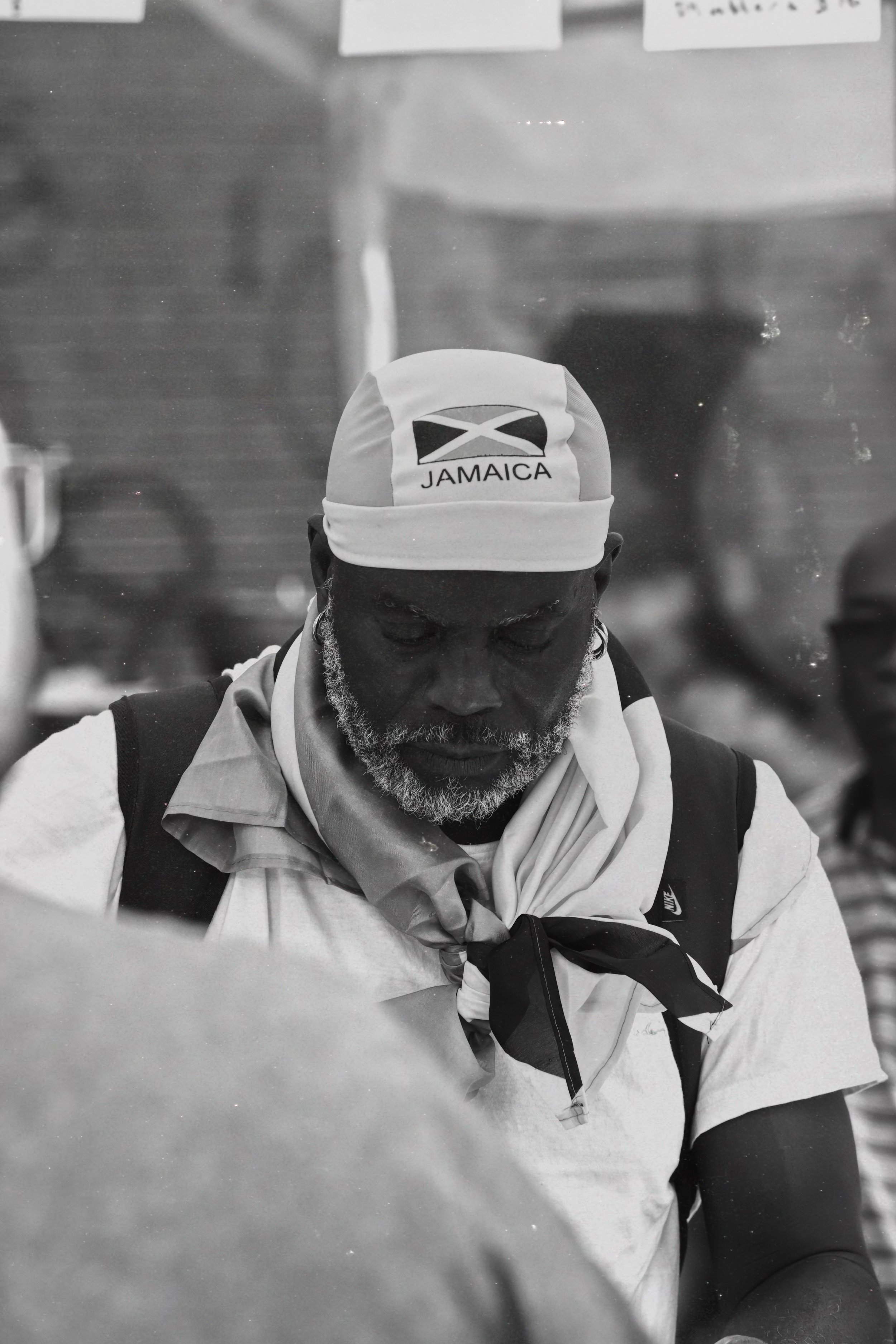
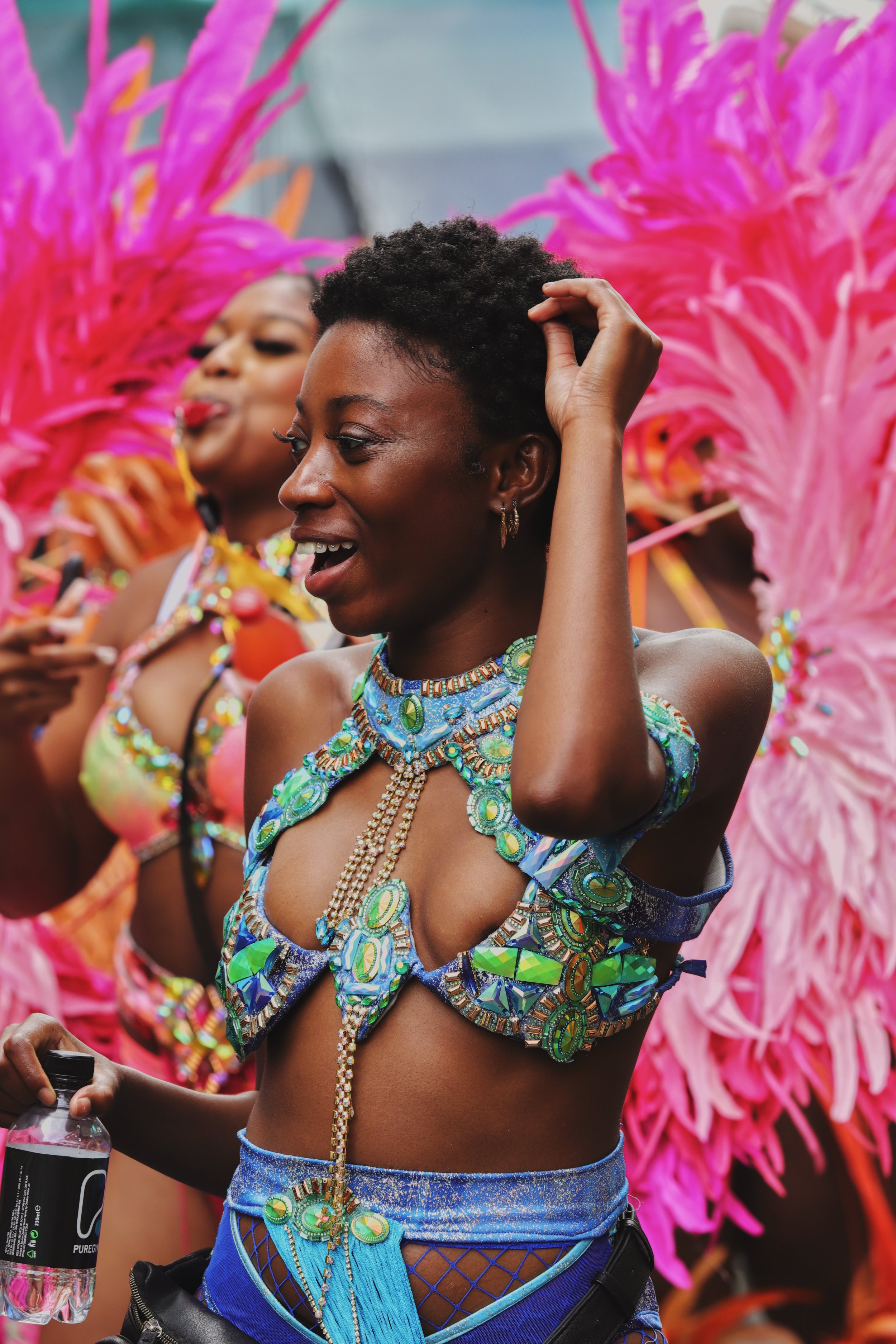
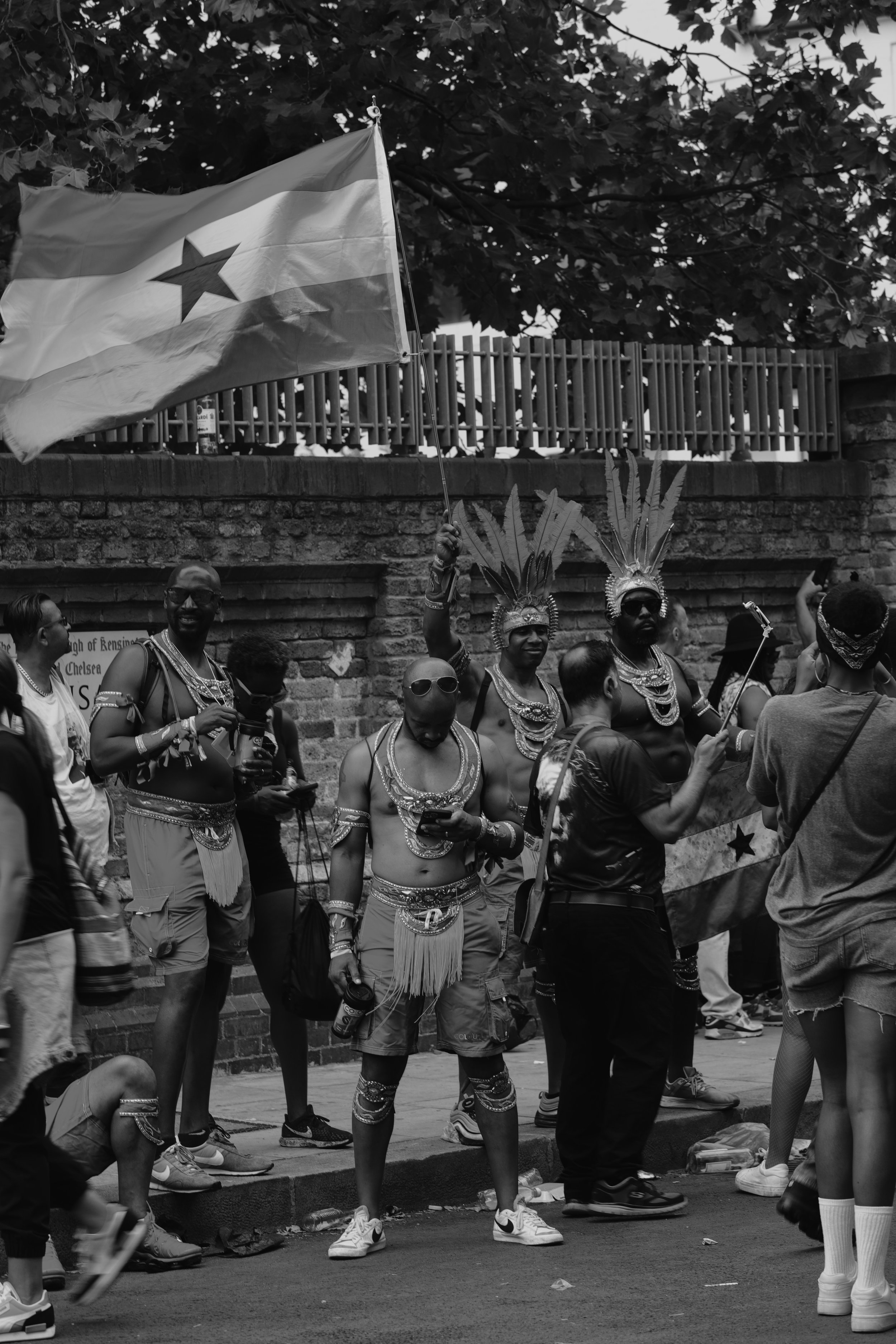
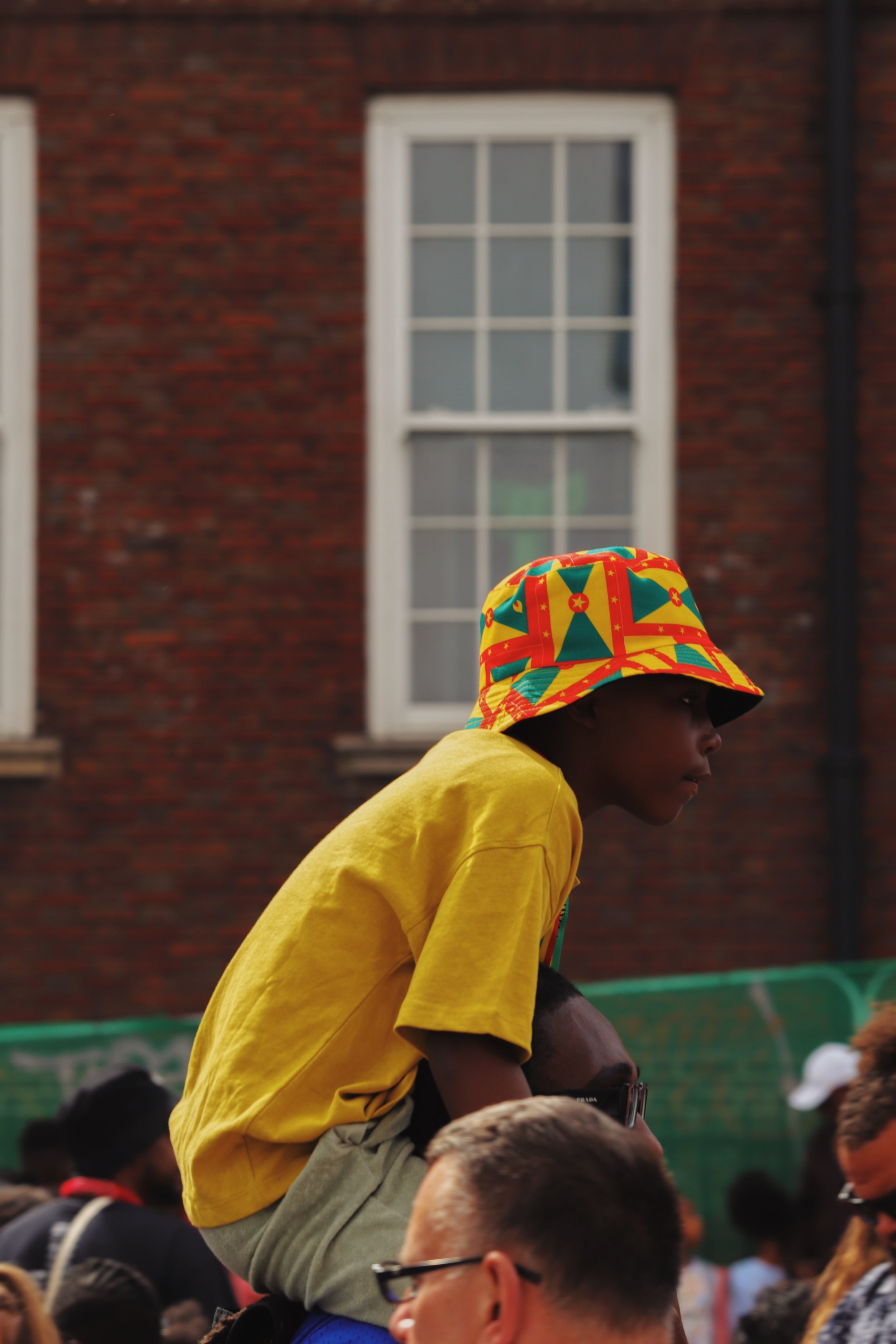
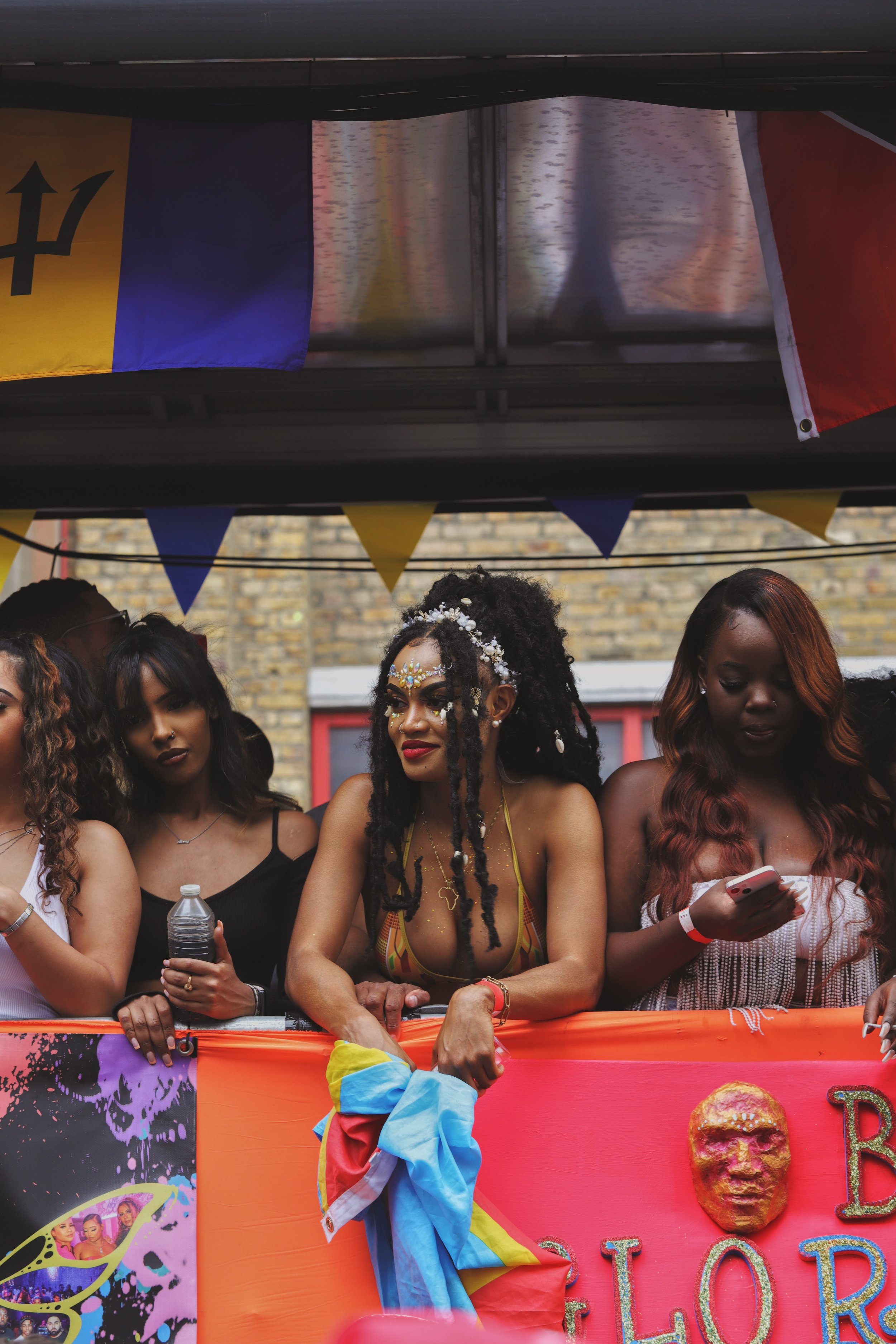
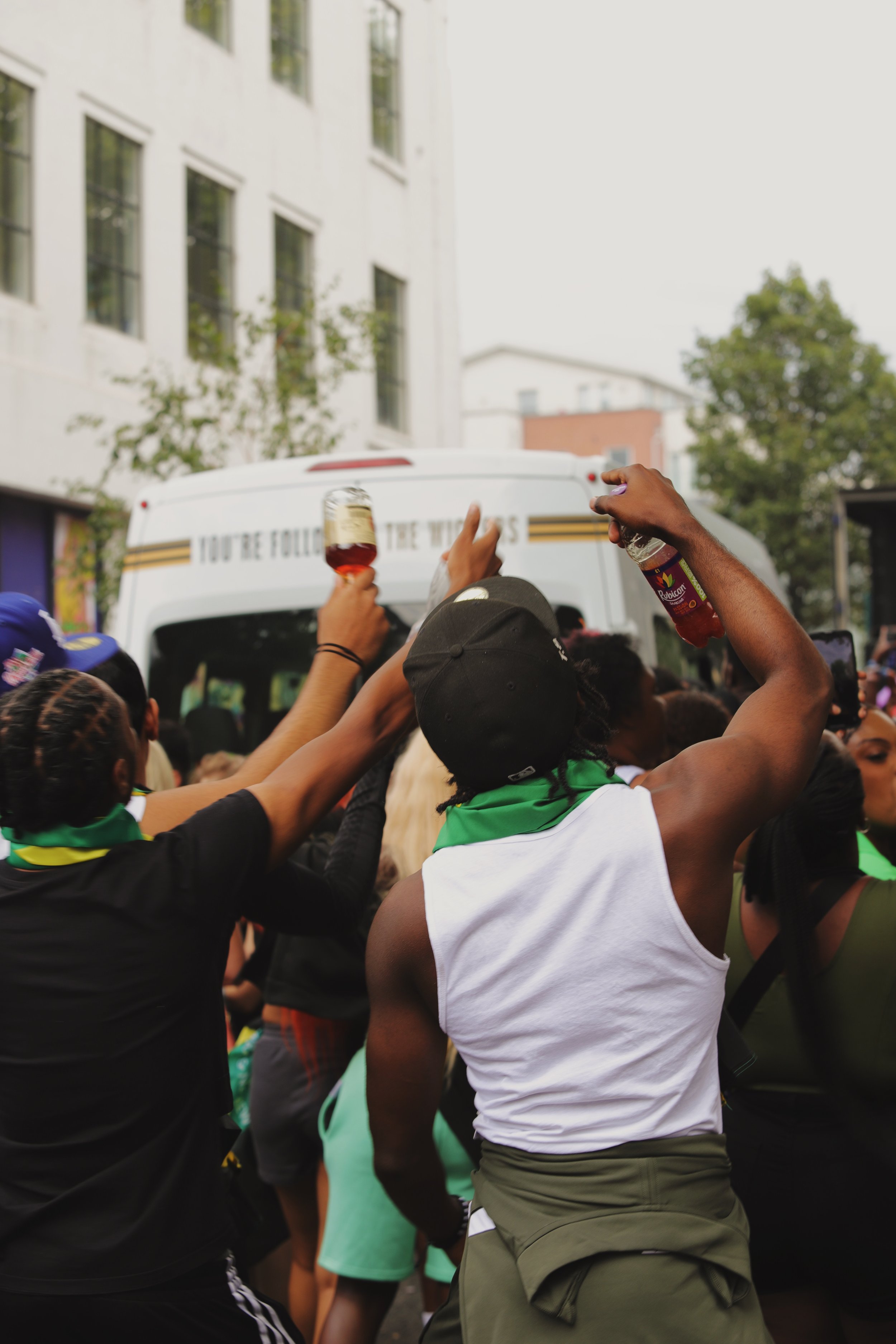
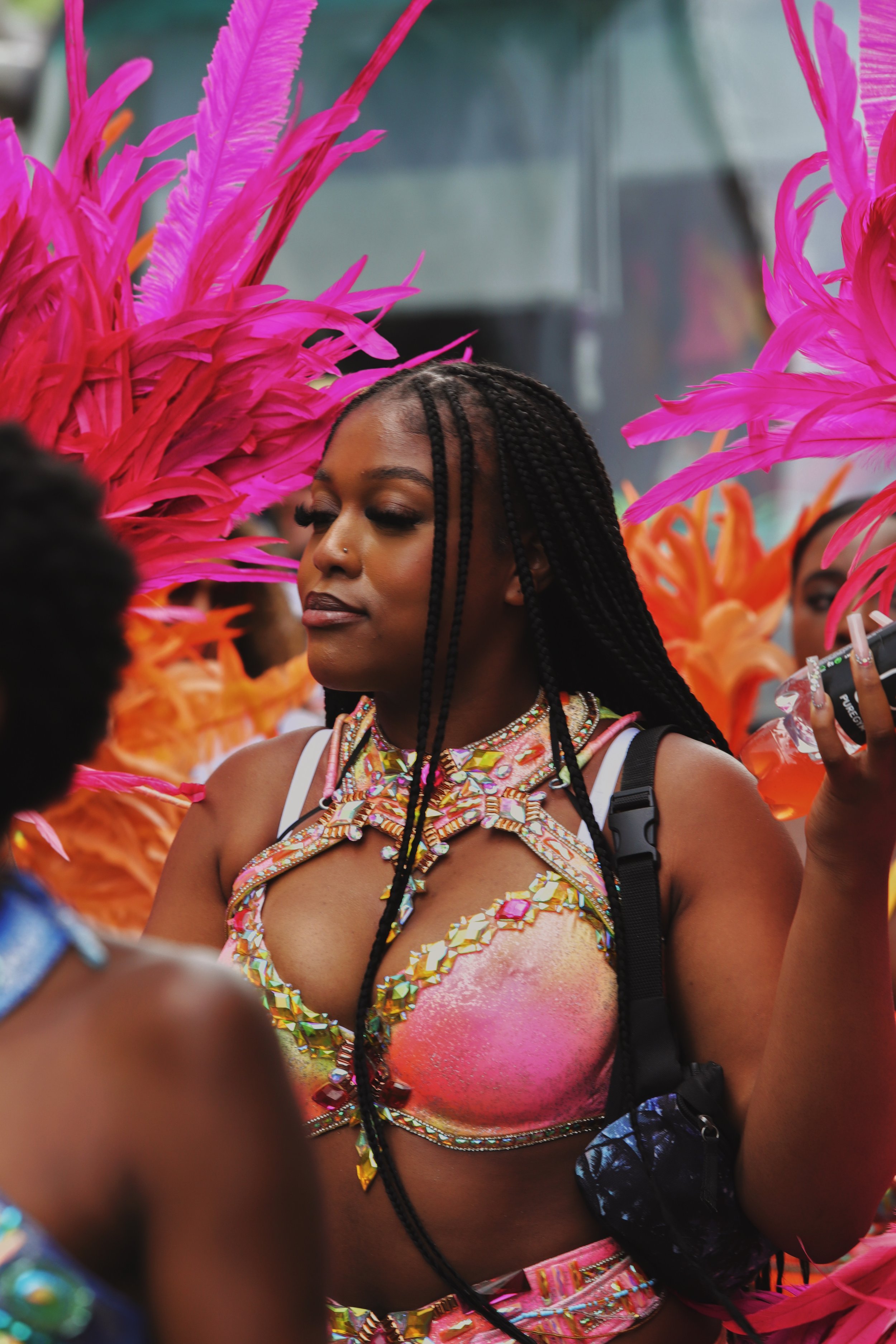
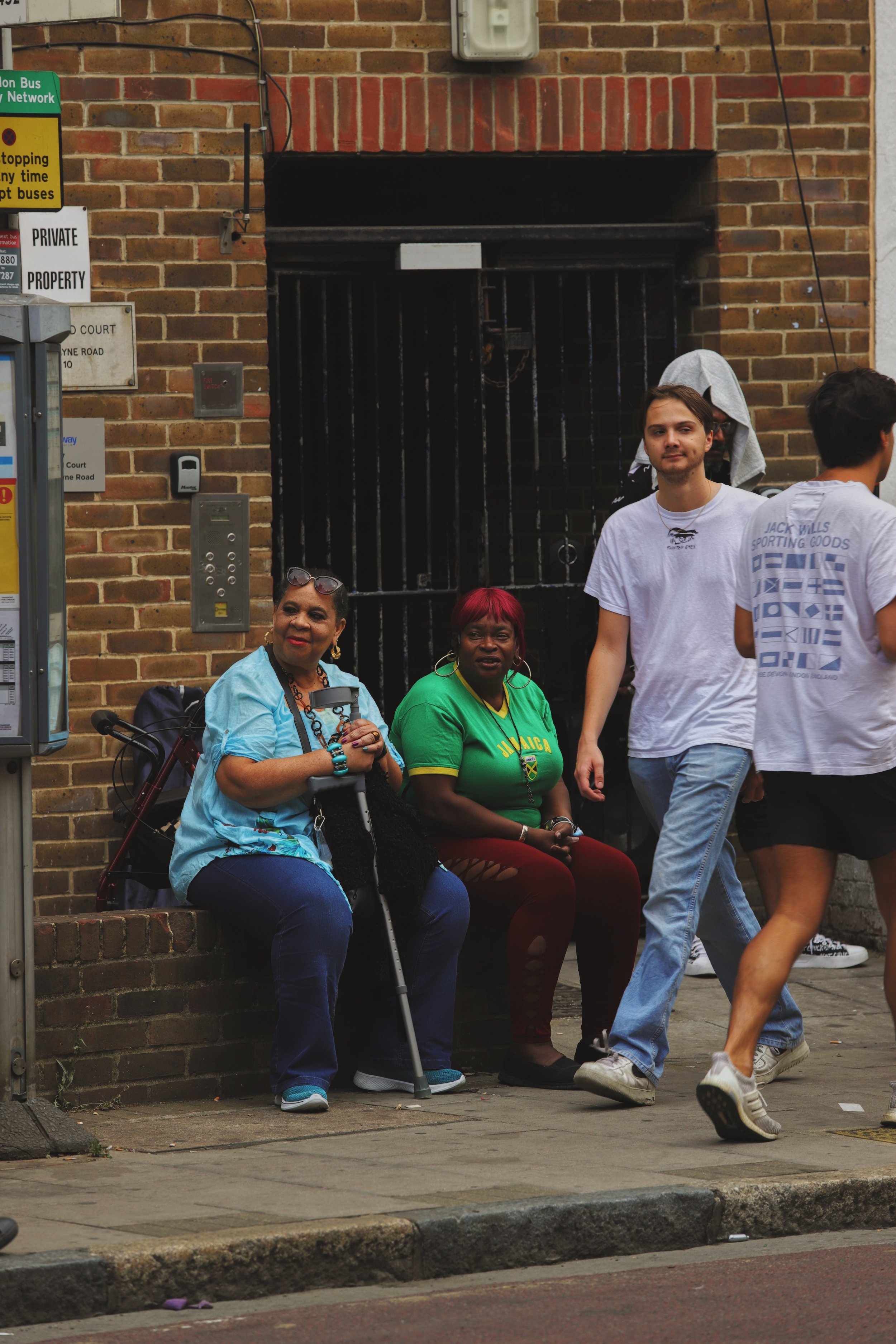
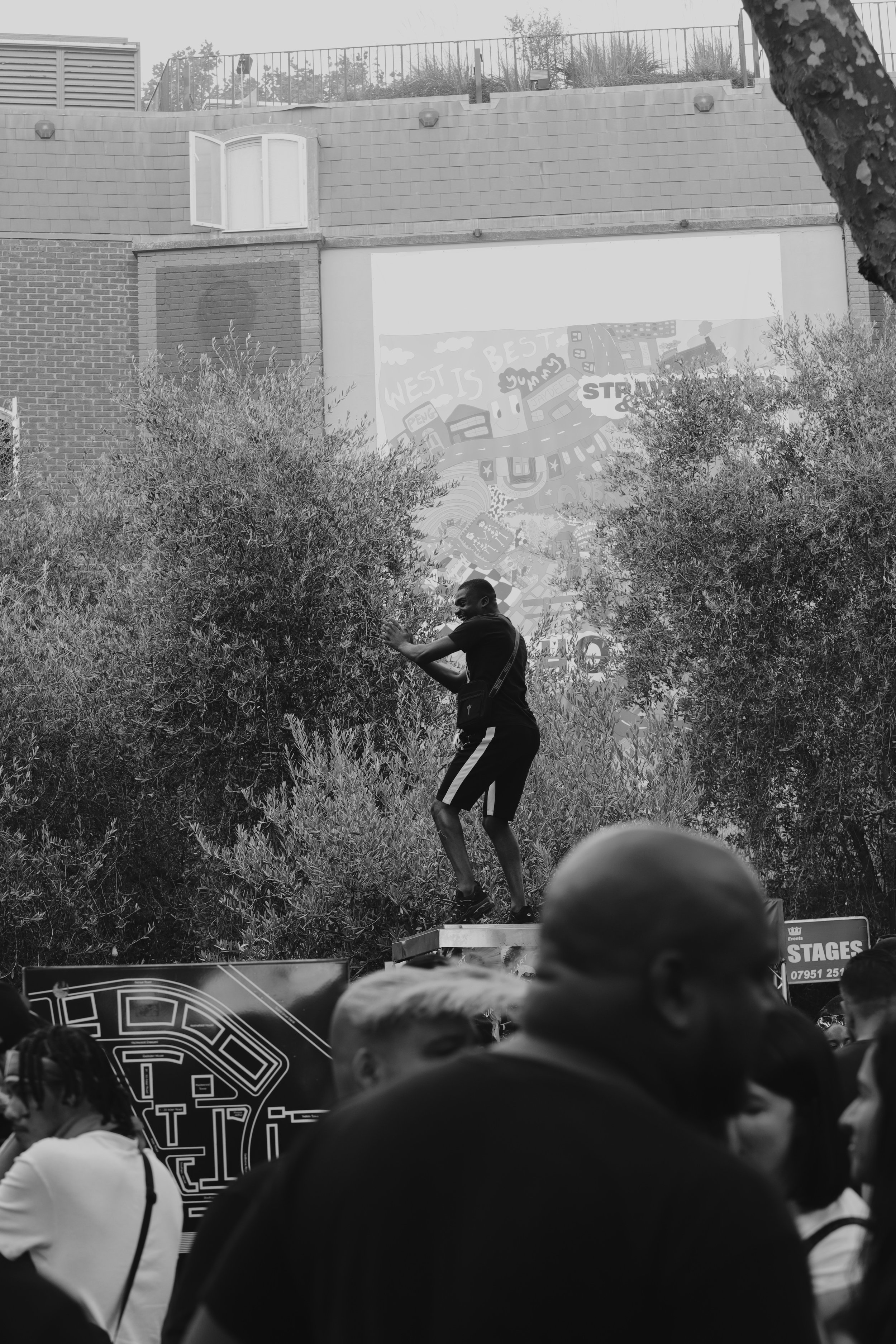
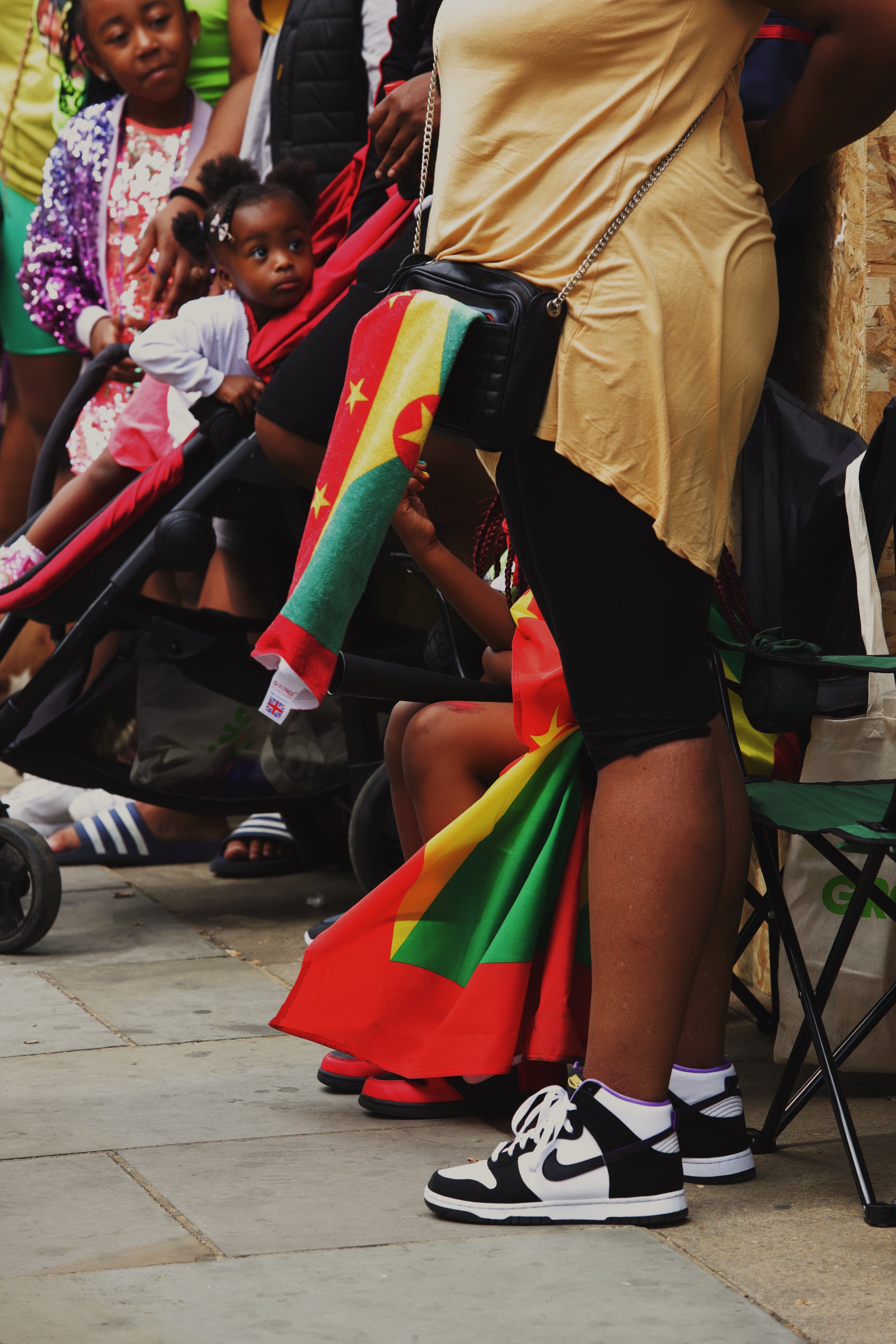
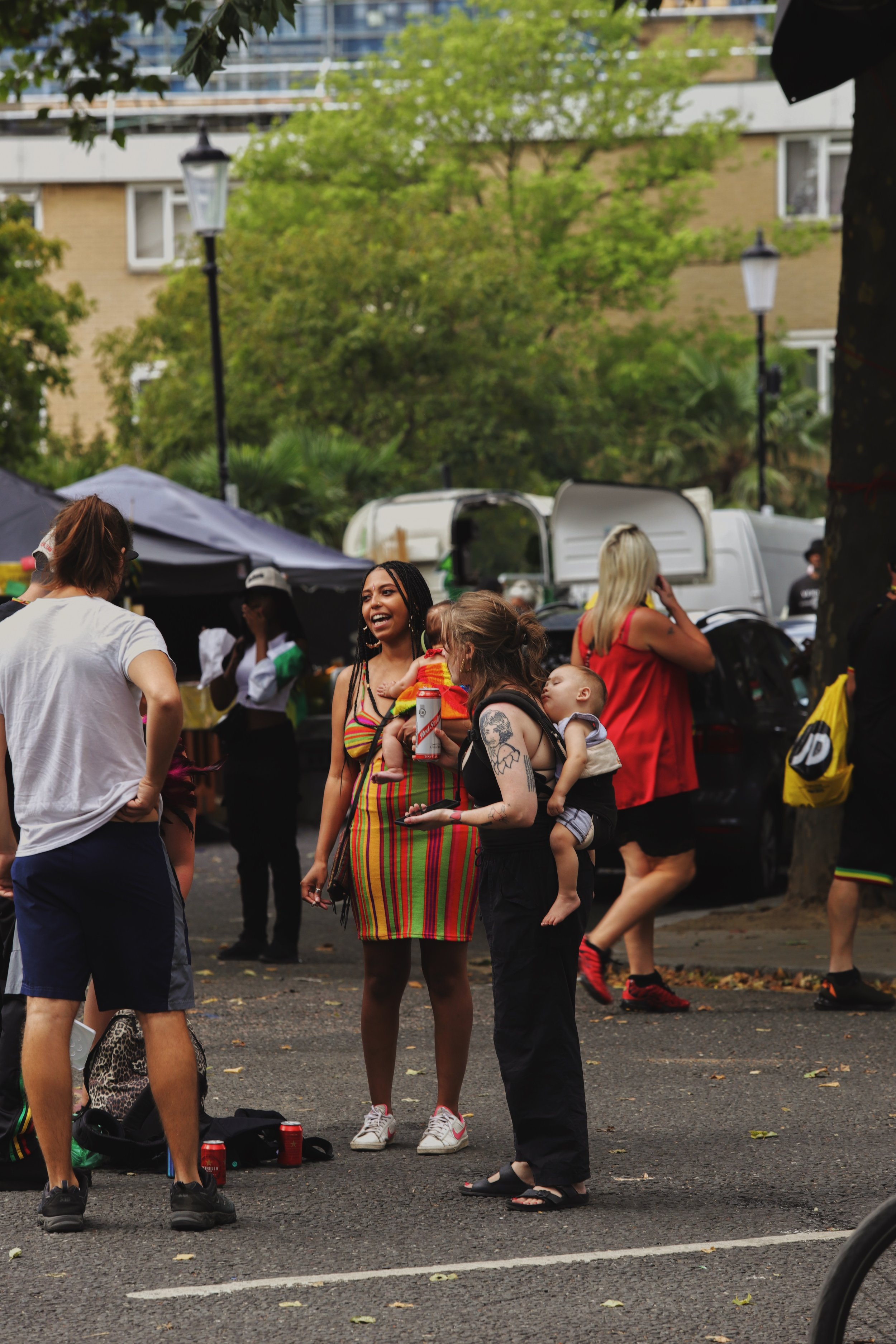
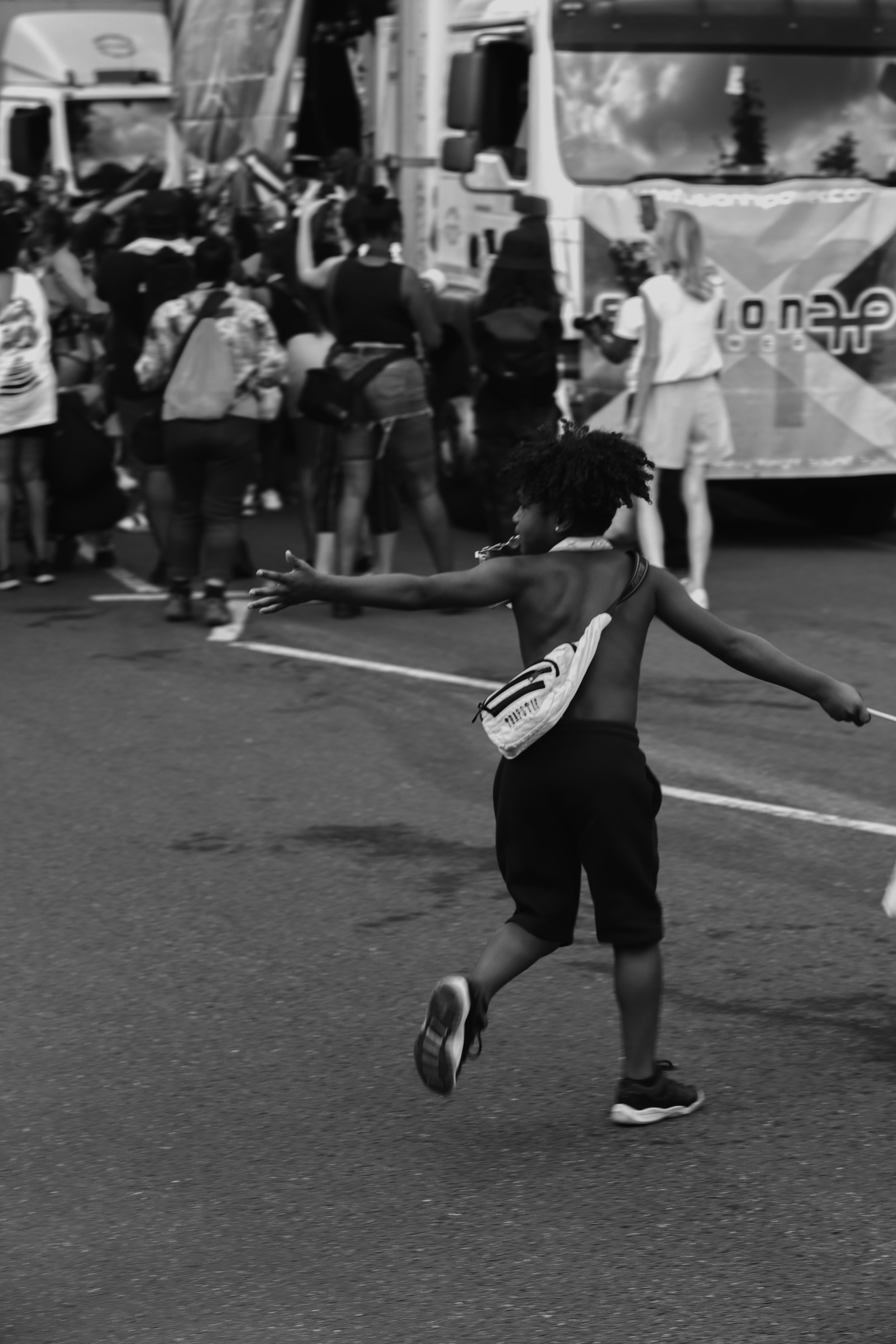
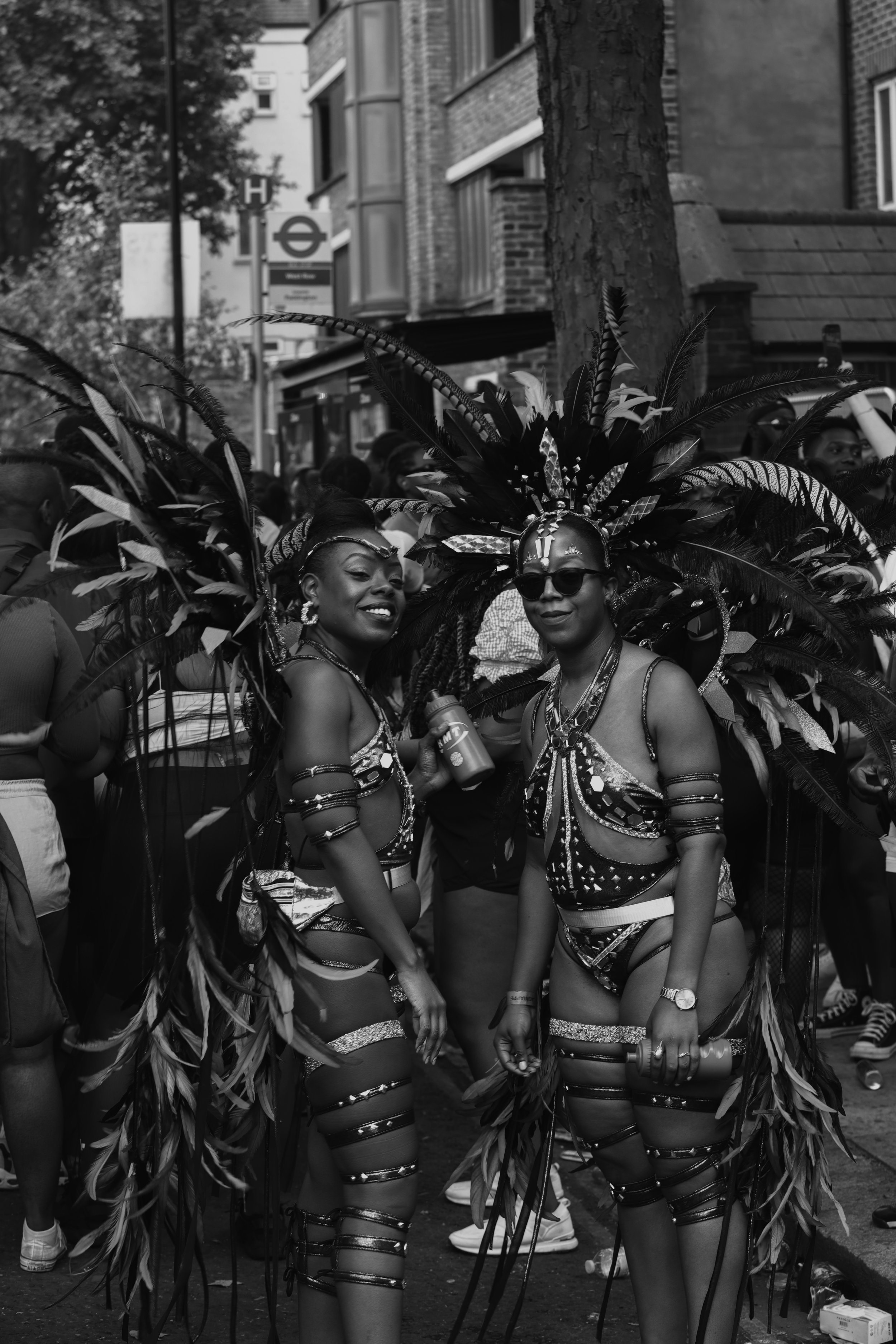
One of my hopes when taking my camera with me was to not only capture the essence of carnival but to also contribute to the years of historical pictures you see of the black british cultural experience. When shooting, I decided for the most part to shoot candids so you can witness the raw emotions of the day, as well as stopping people for portraits so you can take in the outfits that we’ll one day hopefully look back on and refer to as ‘the fashion that was cool back then’.
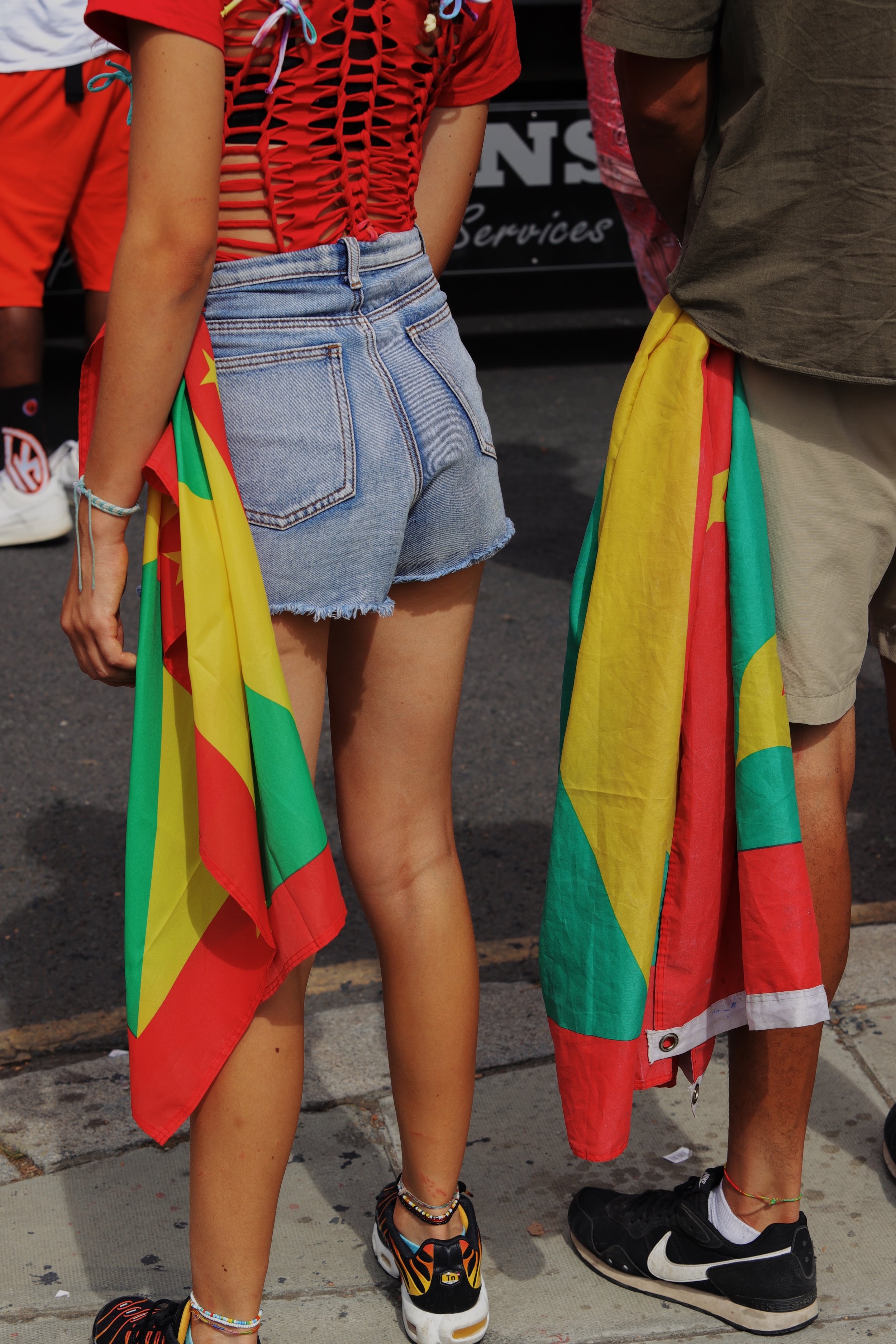
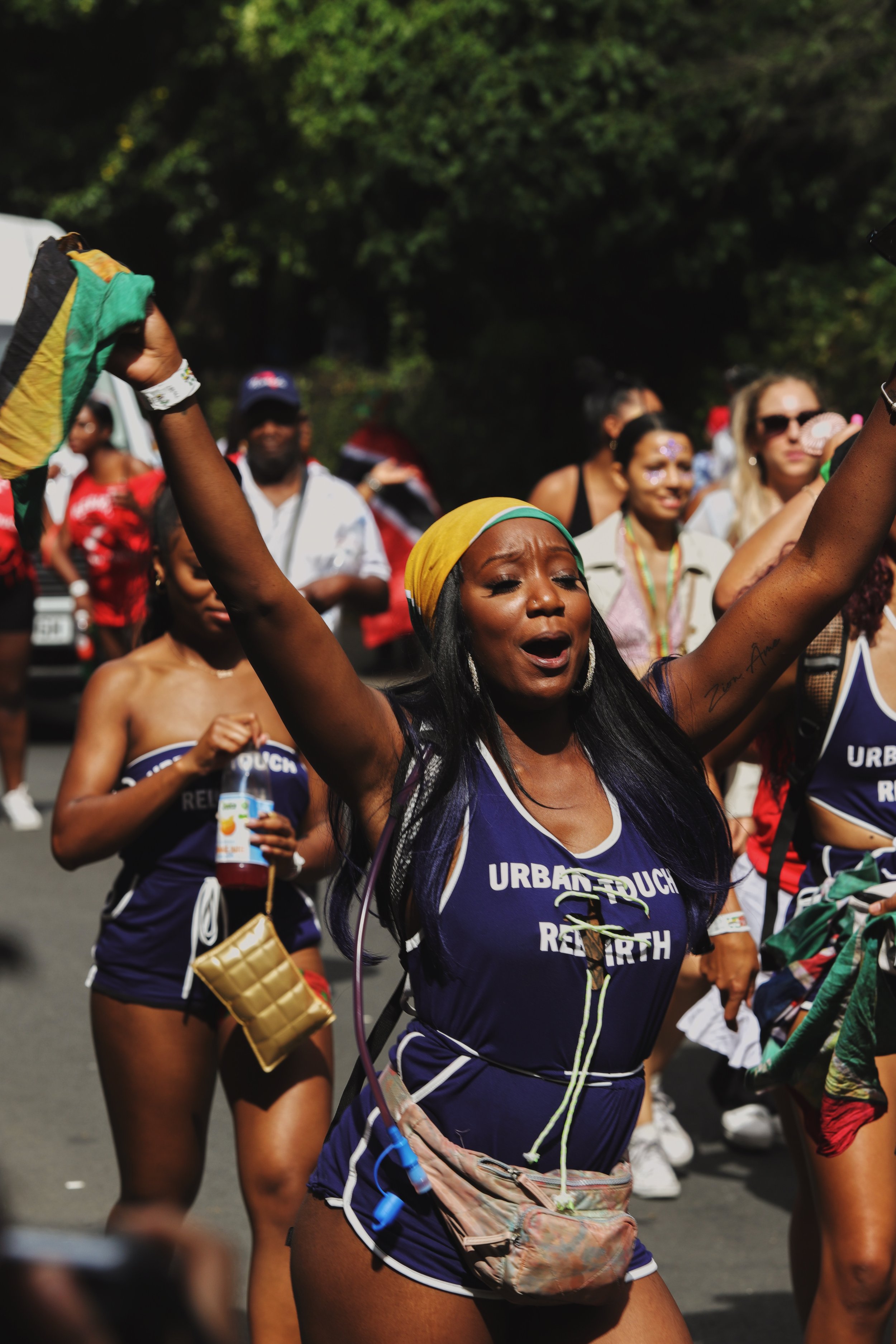
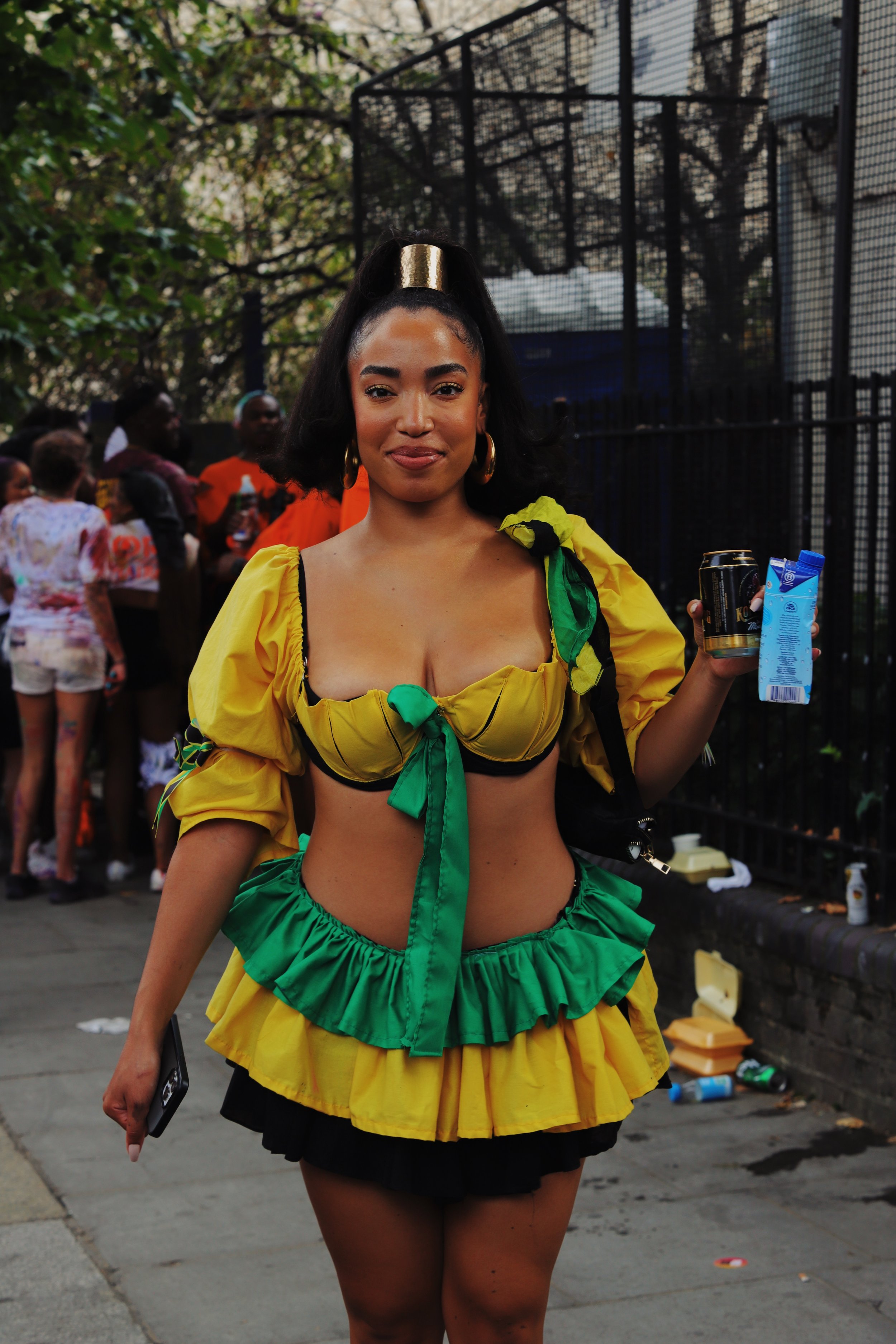
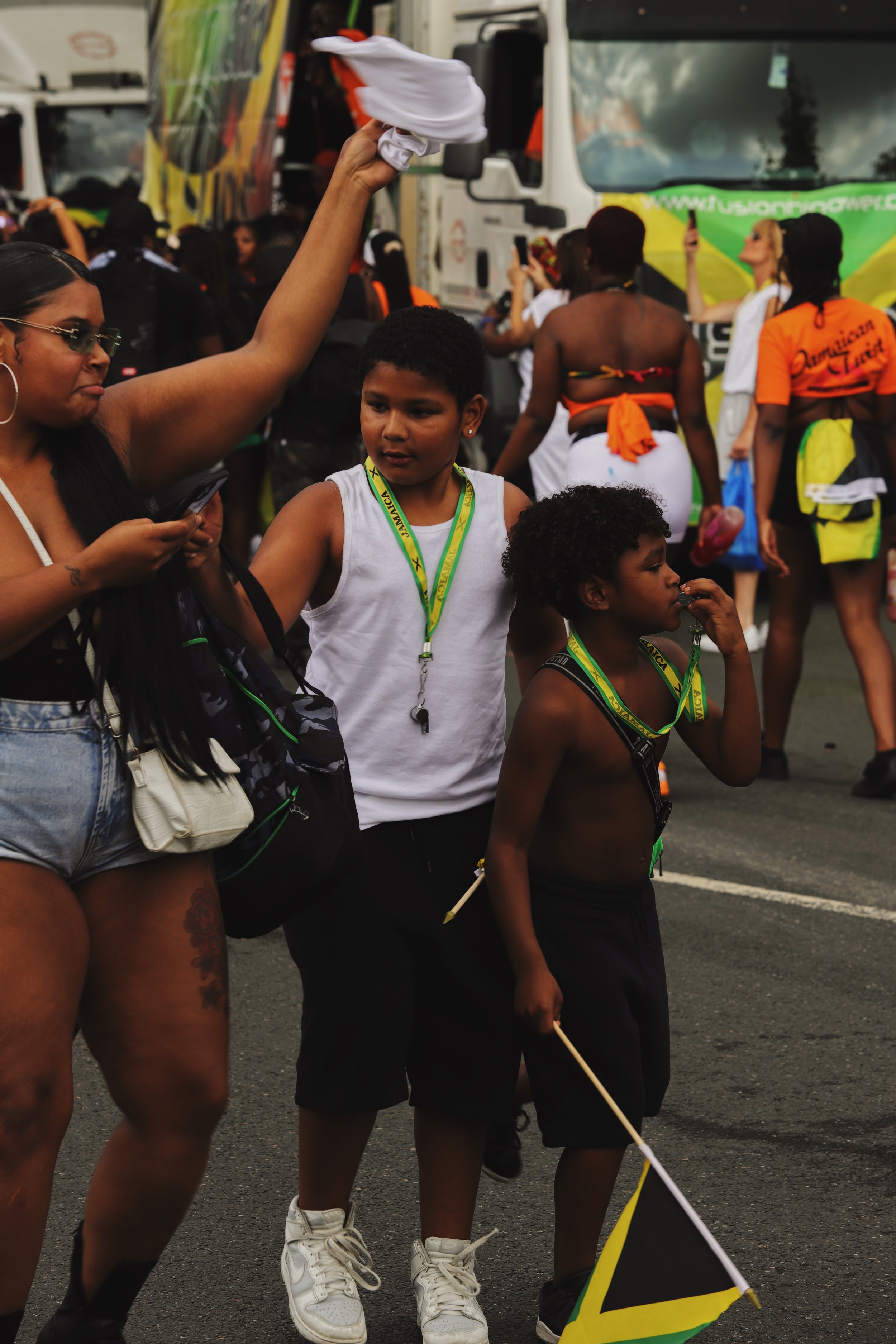
The beauty of Notting Hill Carnival is seeing people from different generations coming together. Strangers young and old embracing each other with open arms and love, and people from different backgrounds as well as cultures, all coming together to celebrate and appreciate Caribbean culture.
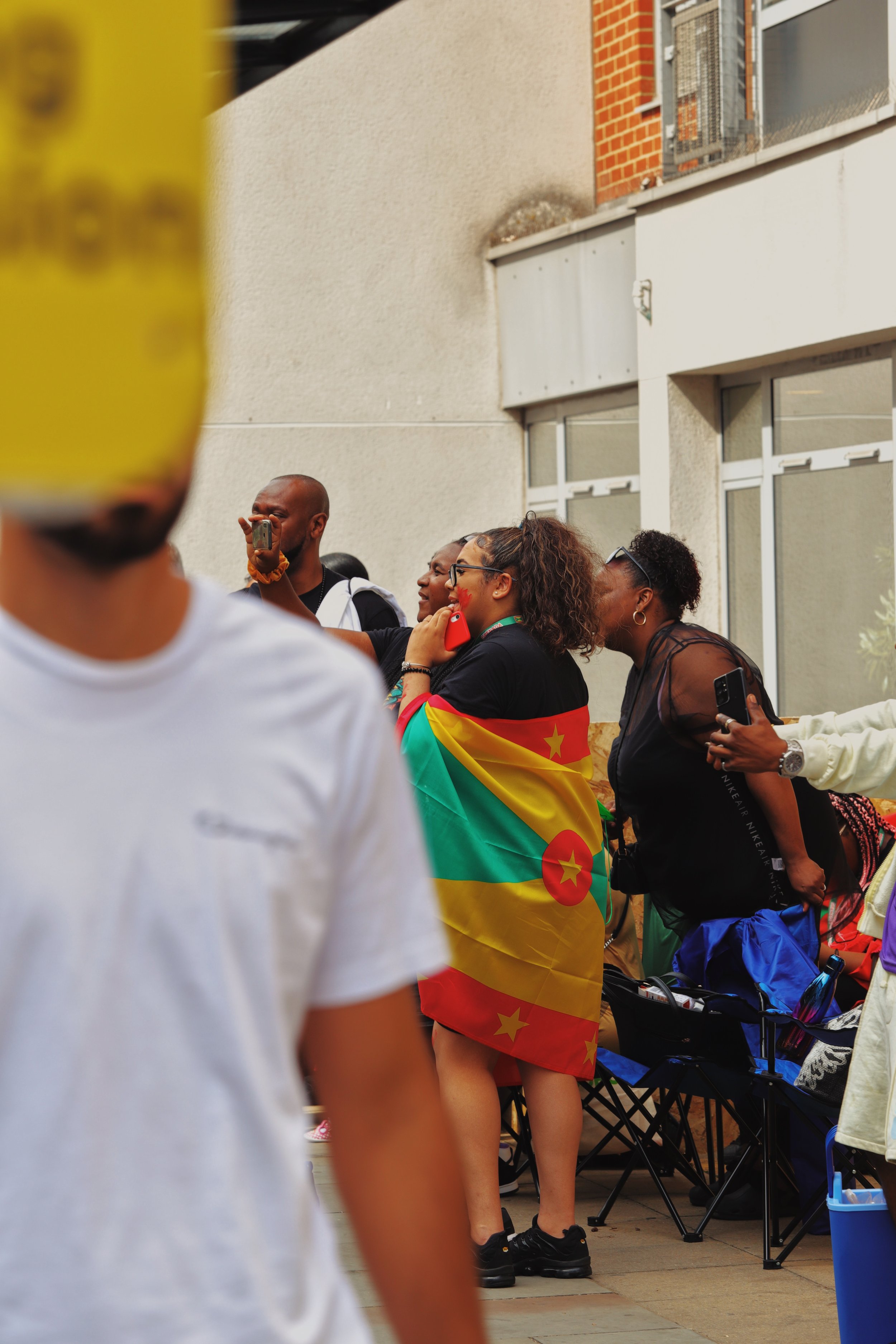
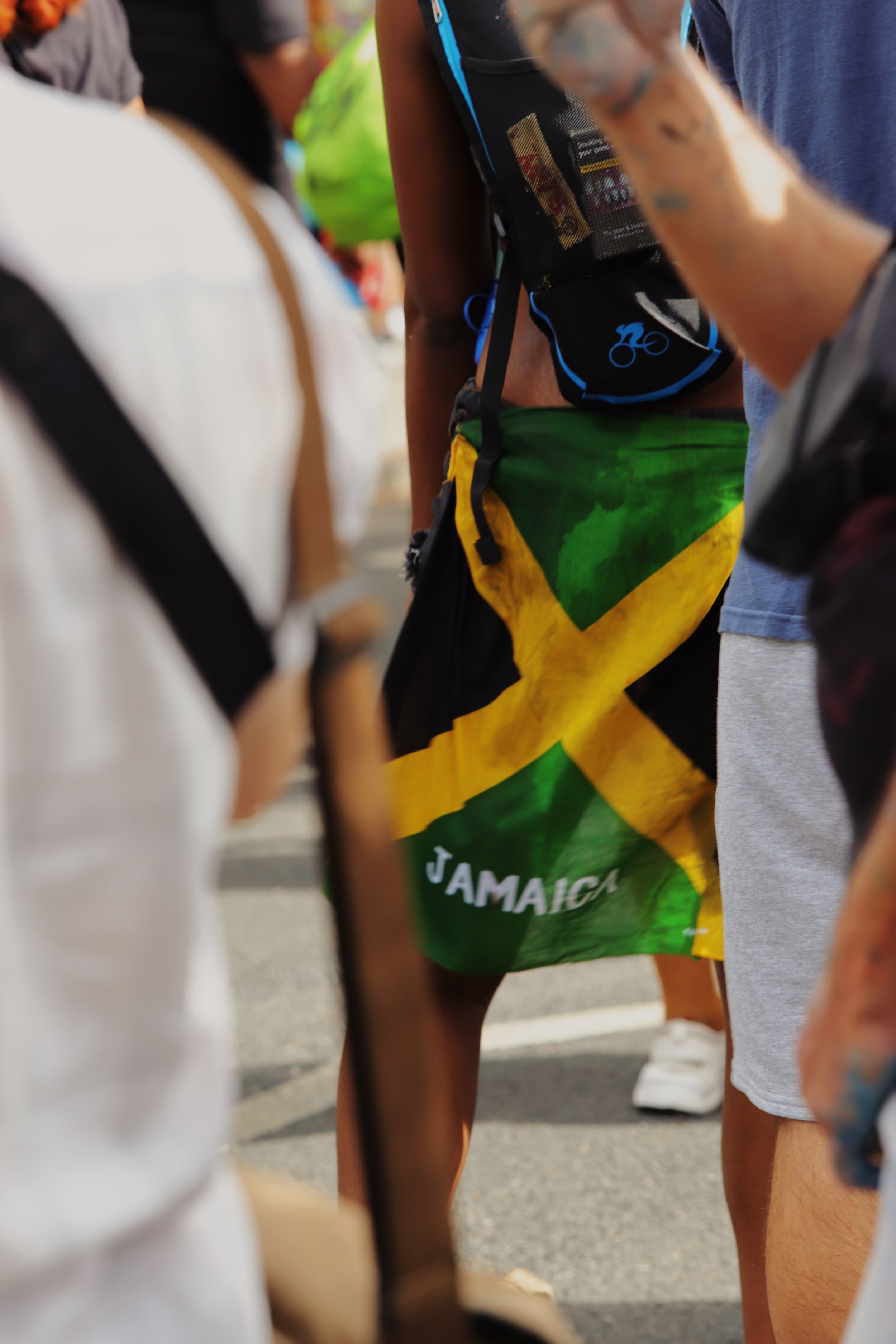
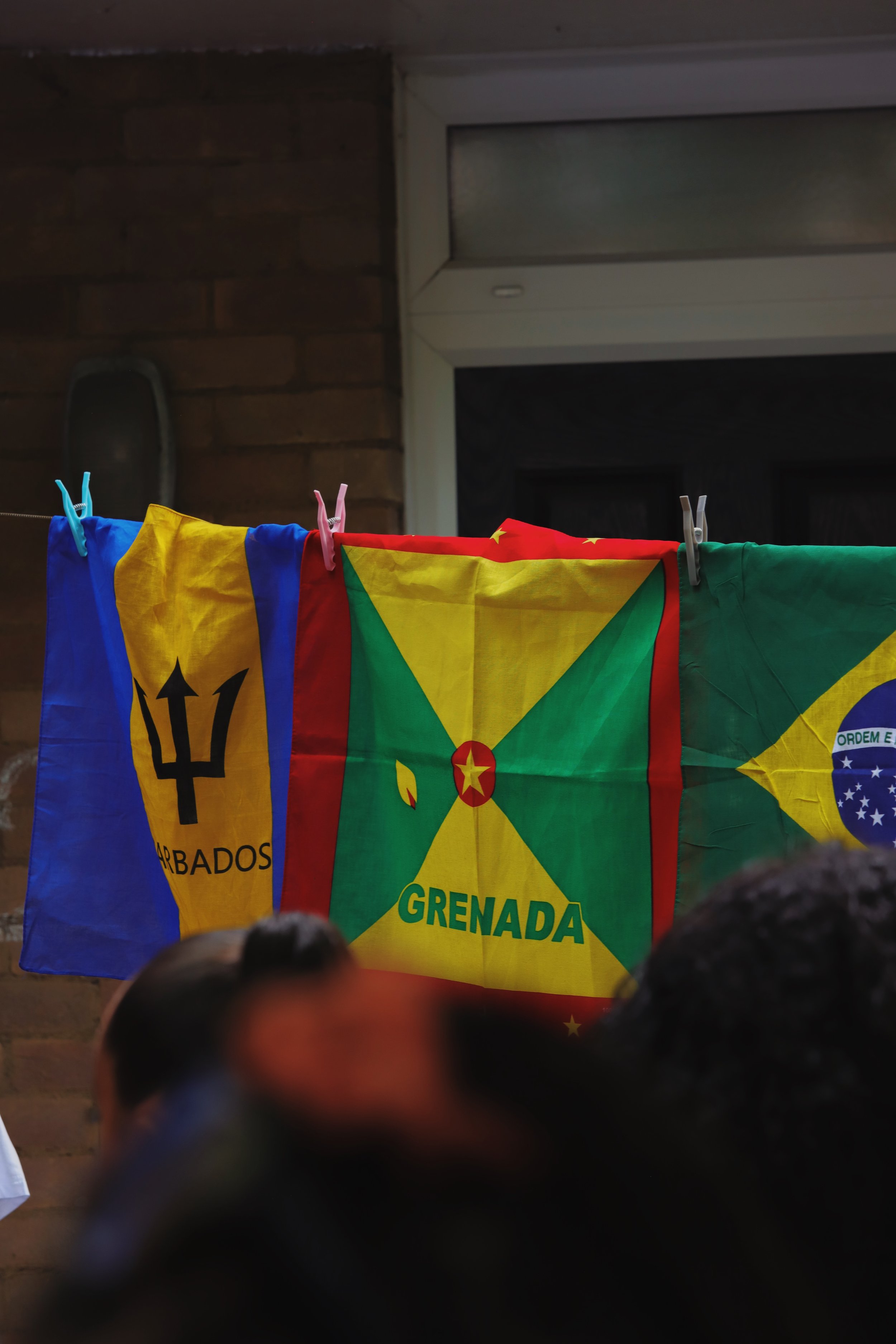
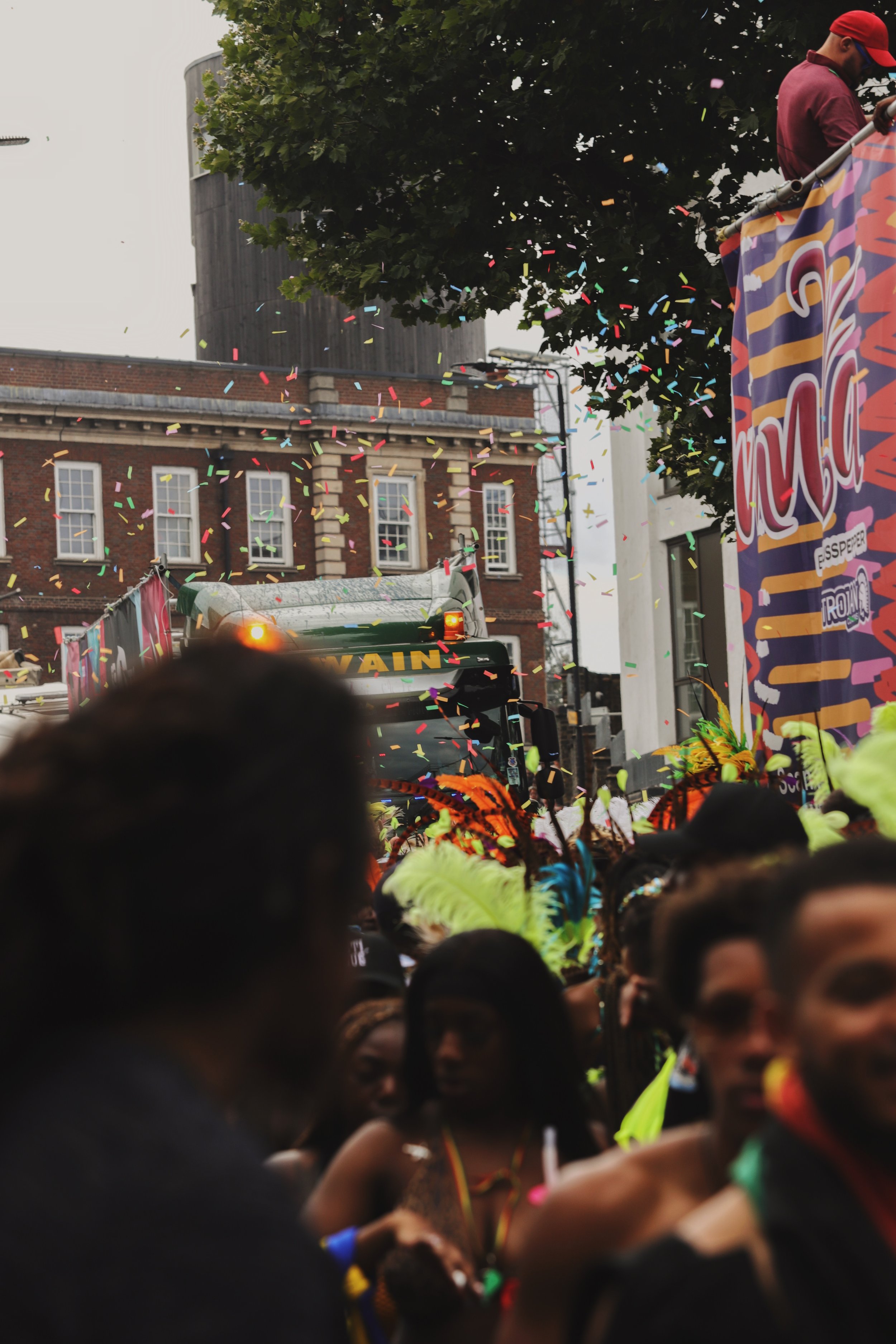
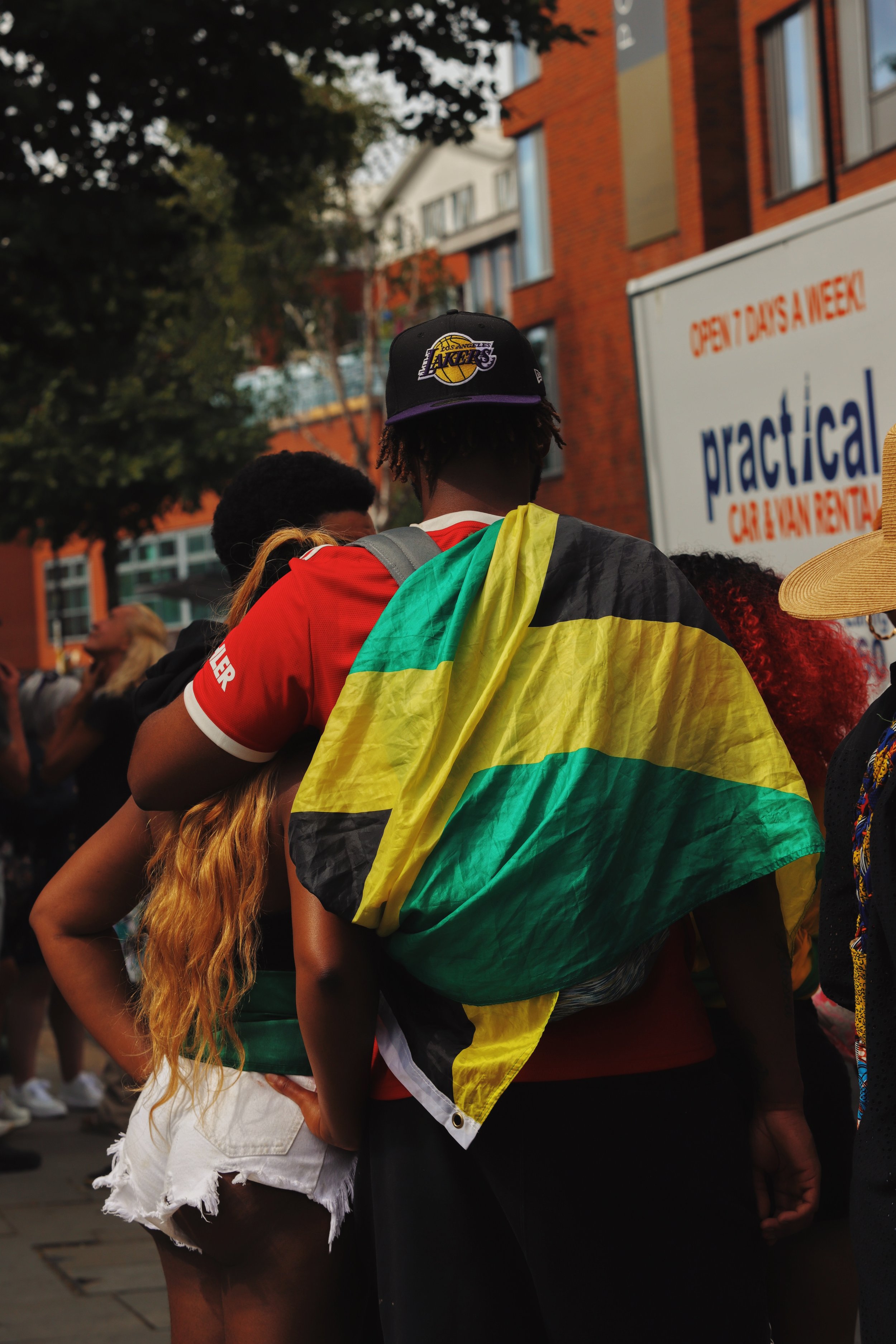
As the sun beat down on us, soca music filled our ears whilst our eyes also took in the multitude of floats and costumes. Carnival is a pleasure on all your senses at once. People waved their flag in every and each direction with pride and the biggest smiles on their faces, it was beautiful to see people rep their country with no fear of judgment or questioning.
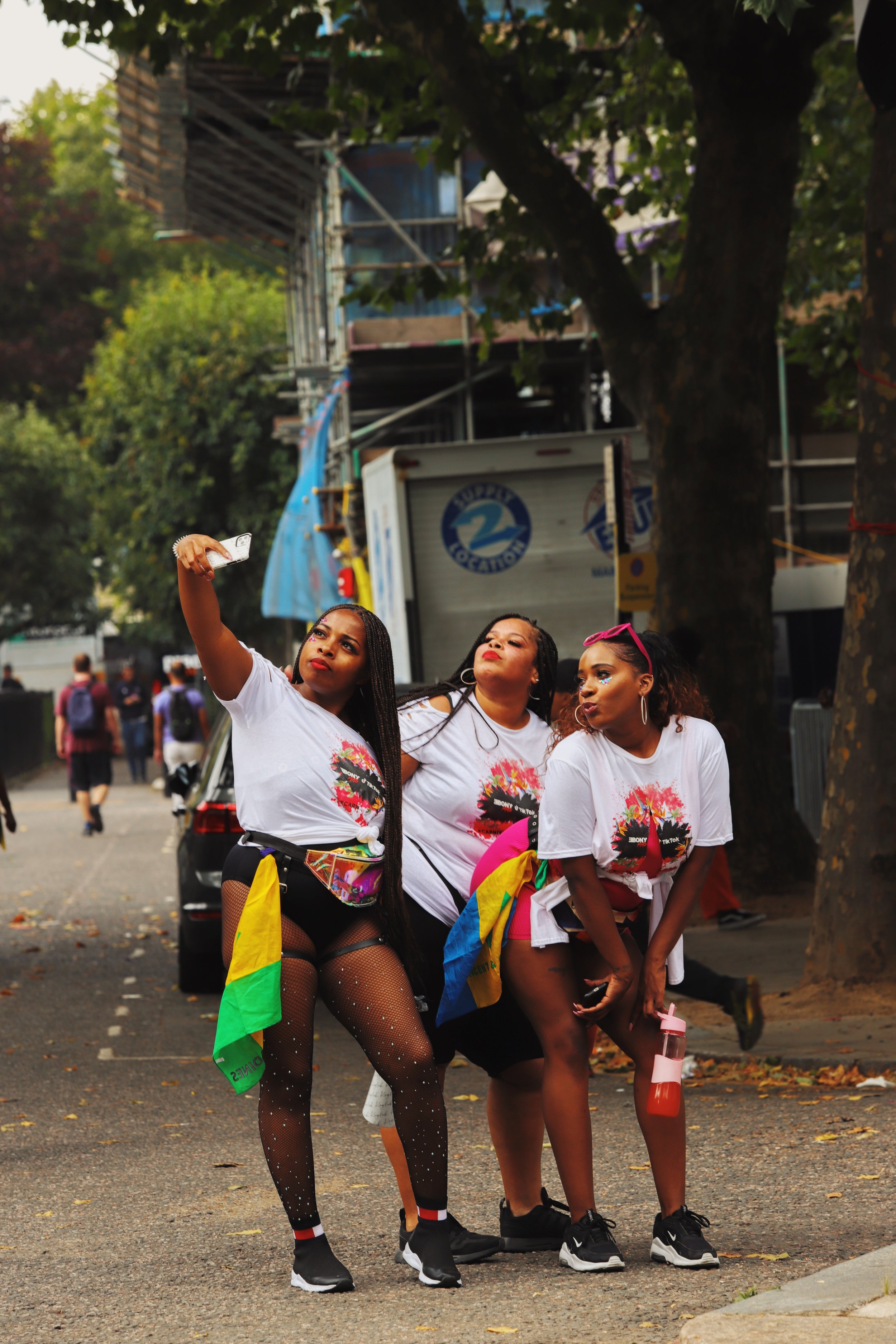
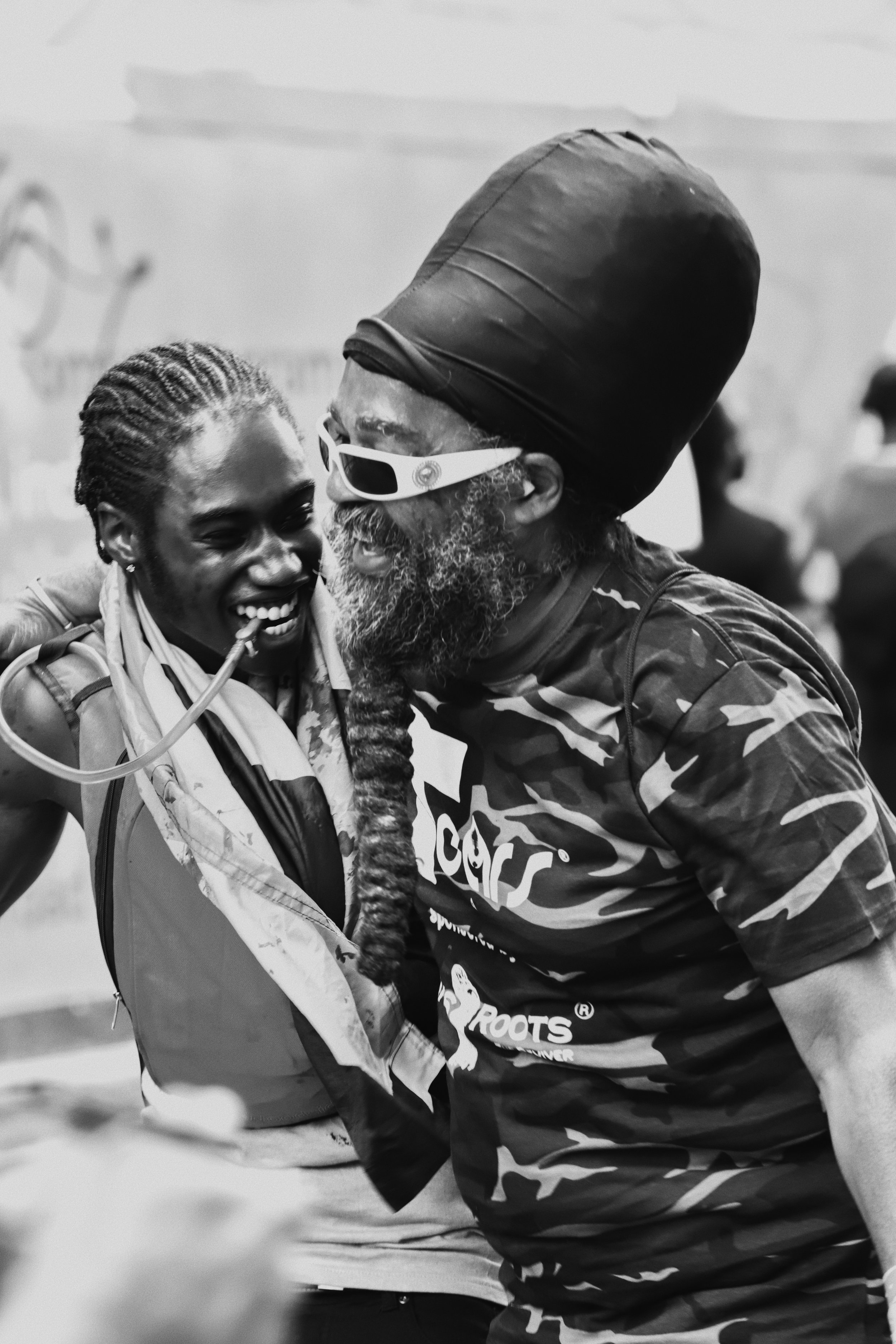
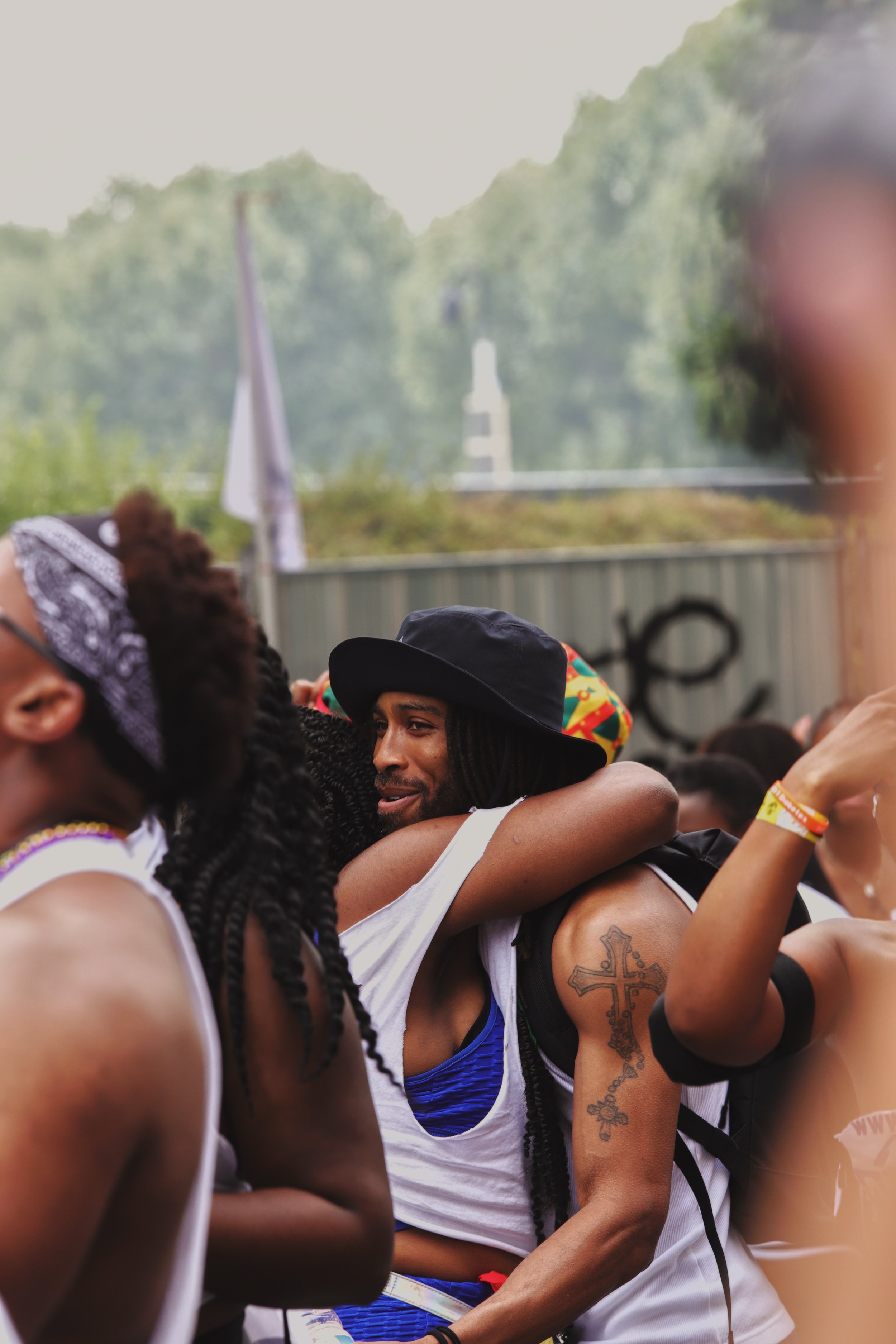
Whilst I didn’t get the chance to have a chat with any of the people I took photos of on the day, I’m grateful that the power of the internet has made it possible for so many people to find the pictures I took of them. So though I can’t include any conversations I had and want to pass on in this People & Places entry I will leave you guys with the note that Notting Hill Carnival is something that I believe should be experienced at least once.
There is black British culture bursting at the seams all around London if you look closely but none quite top or are as obvious as Carnival.